It was a great morning for a bike ride in Tampa, what with temperatures of 24°C/75°F and plenty of sunshine. Here’s what I saw as I biked past the our yard and got today’s workout.
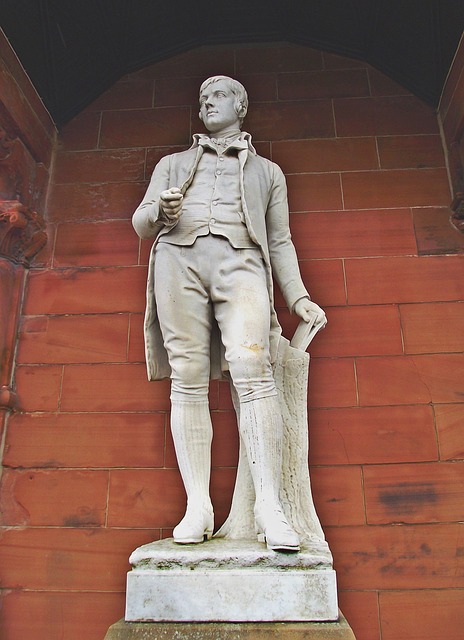
Tonight — the evening of January 25th — is Burns Night, a celebration of the life and works of Robert Burns, Scotland’s national poet. While I have no traceable Scots heritage in my family (it’s Irish, thankyeverramuch), Anitra does, and I’m never going to turn down a celebration where scotch whisky is involved.
You probably know at least one of Burns’ works, whether you realize it or not. He’s behind such classics as:
Auld Lang Syne, which was originally meant to be sung at Hogmanay, the last day of the year, and eventually became the unofficial song of New Year’s.
Tam O’Shanter, the poem from which the cap gets it name.
To a Mouse, an actual poem written after Burns was ploughing his field and unintentionally destroyed a mouse nest, which the mice would have needed to survive the winter. This poem contains the line “The best-laid schemes of mice and men /
Go oft awry,” which became the figure of speech we know today.
Address to a Haggis, because if a food ever deserved a poem, it’s that most ugly-delicious of Scots dishes:
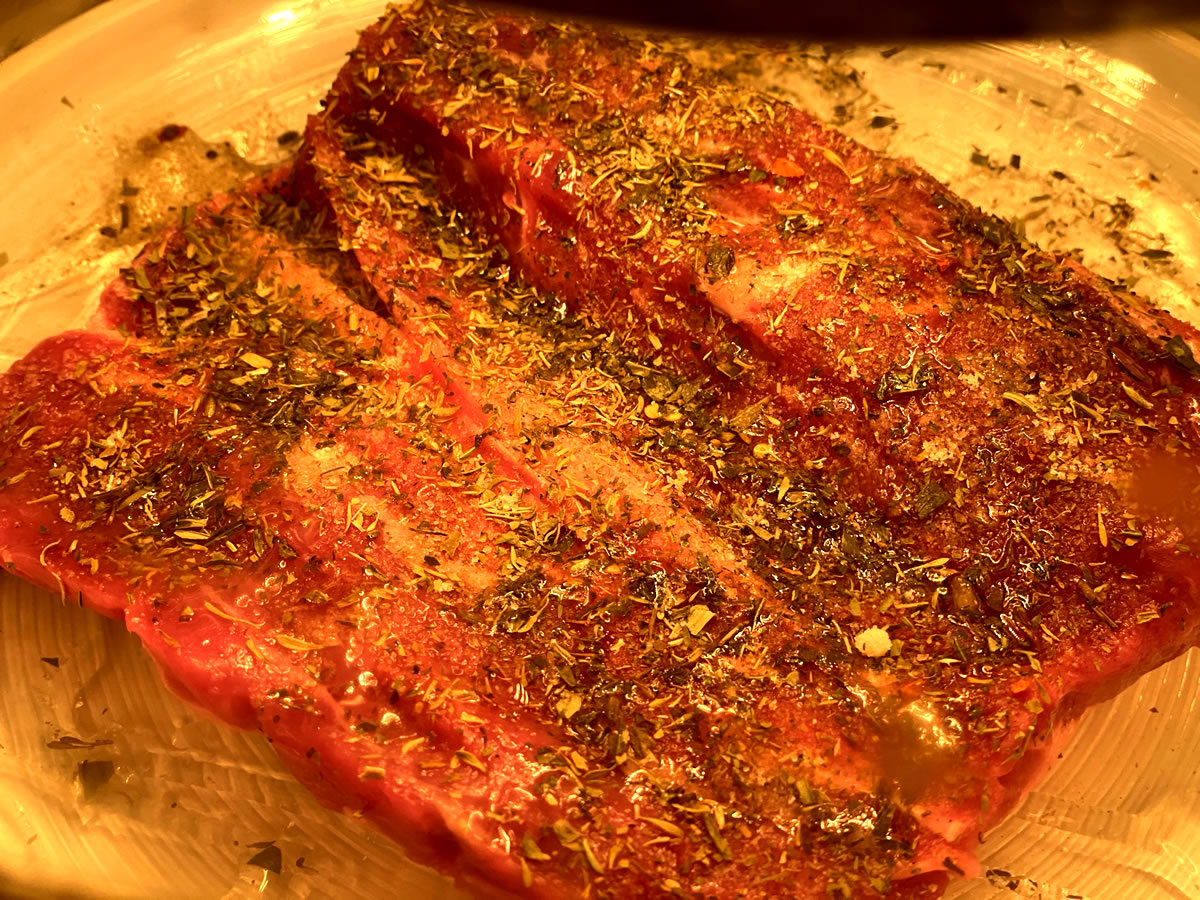
Even though we’re still in the middle of a plague and can’t host a Burns Supper tonight, we’ll still celebrate: I’ve got a lamb loin roasting in the turbo broiler…
Tap to view the meaty goodness at full size.
…and I have some scotch handy. As for poetry — well, I have to write some code tonight, and when done well, code is poetry: Rich, expressive, and saying so much with an economy of language.
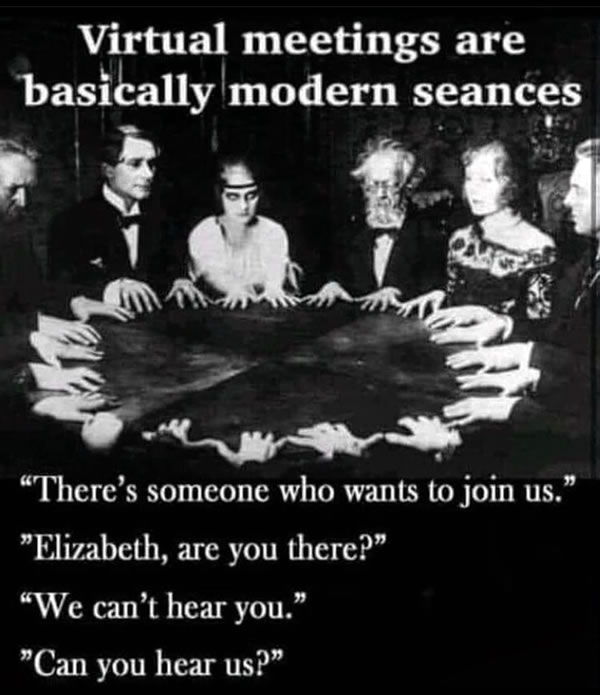
The only real difference is that you don’t have full-grown adults speaking in a dead 8-year-old’s voice in virtual meetings. Well, at least not in any virtual meeting I’ve attended lately.
With a newly-inaugurated administration starting its first full day on the job and the country still smarting from a bitter election and an ugly aftermath, the inevitable question becomes “What do we do now?”
I’m sure that people who specialize in conflict resolution have a name for it, but my name for it is concrete common cause.
The idea is simple: Bring the sides/factions together and have them focus on solving problems that affect everyone’s day-to-day lives regardless of worldview, rather than squabble over more abstract differences.
These are the sorts of issues where everyone can have some kind of direct influence, even on an individual level. Here are some examples that are probably directly applicable to you:
Countering COVID. Wear a mask, practice social distancing, support local businesses, get the vaccine when it becomes available, and help those who’ve been adversely affected by it.
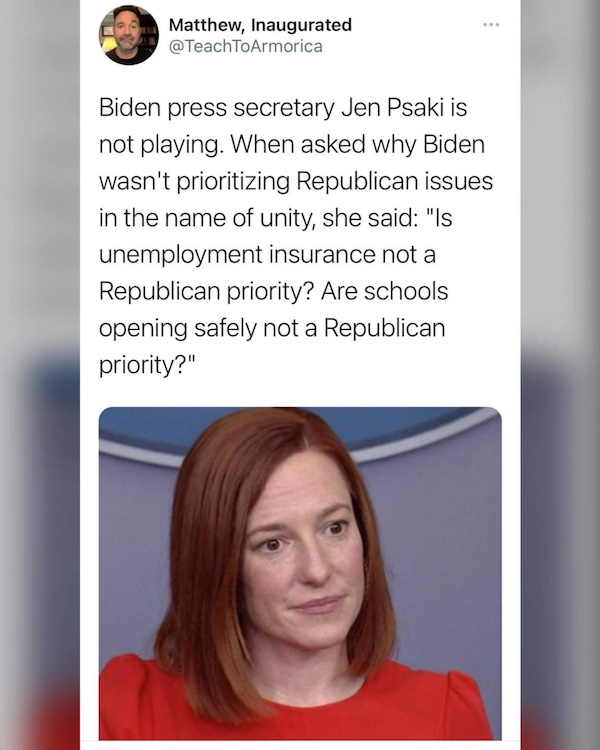
Ameliorating unemployment. Skill up, or better yet, help someone skill up. Help people with their resumes or help them find job leads. If you can, hire someone.
Create community. Even with social distancing, there are still things you can do to make the place where you live better, from cleaning up your yard to organizing a trash pick-up or mural painting in your neighborhood. Your place of worship, local library, or community center probably has programs that benefit a lot of people, and they probably could use your time, money, or both.
The idea is to get together and work on something practical, present, and pressing.
At the community level, it’s things such as “Let’s clean up all the litter on this street,” “Let’s help these people get back on their feet with new jobs,” and “Let’s make sure that the local shops and restaurants that we love are still around next year.”
It scales up, too. On the city, state, and federal level, it’s things such as “Let’s find ways to bring down the rate of infection,” “Let’s find a way to efficiently distribute vaccines,” and “Let’s do some of that long-overdue infrastructure work.”
These are all issues affect everybody everyday, and they can only be solved when a lot of people work together.
What you don’t do while this is happening is talk about the things that started the division in the first place, which are invariably some abstract “p” word: Politics, policies, pulpits or politicians. Arguing about that stuff is a luxury that you can afford only once the more practical, present, and pressing problems have been dealt with.
The point is to find reasons to get everyone into the same room and working together on something that affects all of them. Concrete common causes can get everyone in that room, get them talking, and even get them solving problems together. That’s a good — and vital — first step.
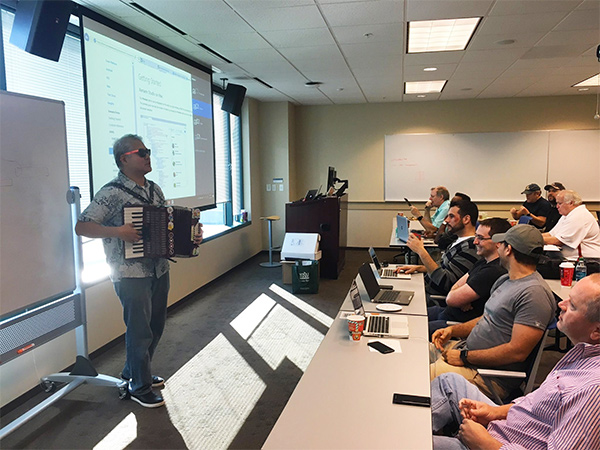
Yours Truly at a Tampa Bay Xamarin presentation.
I plan to do my part by working away at what I do: Helping people build software to get things done, helping to build the tech community here in Tampa Bay, and squeezing out good vibes with the accordion.


















































.jpg)