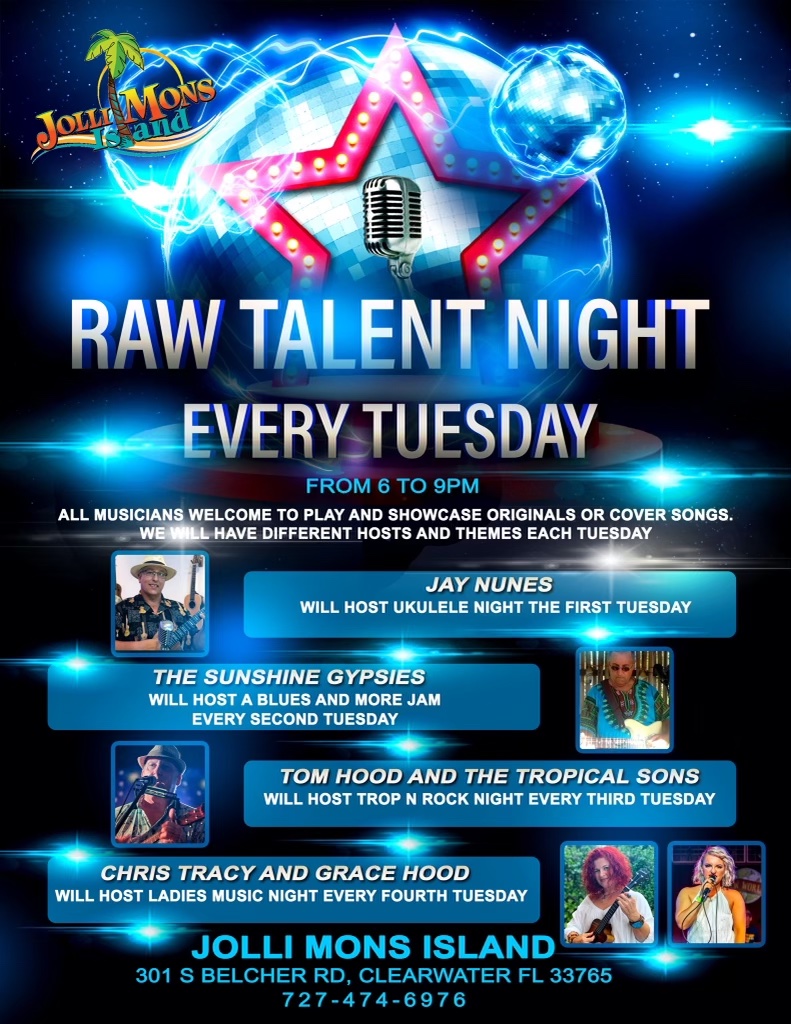
This Tuesday, September 19th at JolliMons Island in Clearwater, I’ll be onstage with the accordion and playing with Tom Hood and the Tropical Sons. Come on down and enjoy some good food, drink, and live music!
The postcard
This postcard appeared in our mailbox this morning — here’s the front…
…and here’s the back:
Note that there’s no postmark, which means that it was delivered by hand. How oddly and delightfully analog!
The link takes you to a simply but nicely designed page that makes the standard Bitcoin pitch that’s been around for years, with the usual talking points such as the expanding money supply and inflation, the fixed supply of Bitcoin, “it’s digital money and a computer network!”, and a couple of bits about how Bitcoin “isn’t volatile” and that “Bitcoin help stabilize the Texas energy grid through mining.” I’m not sure how that last one can possibly be true.
The “wrong number” text message
Later, just before 2:00 p.m., I got a text message from an unrecognized number: “When is your birthday?”
Just for kicks, I turned it into a conversation:
In case you were wondering, Nguyet Anh Duong is known in US defense circles as “The Bomb Lady” for her work on developing a thermobaric weapon.
Here’s the last bit of our conversation:

Blame my inner 14-year-old: the town name “Mianus” will always be funny to me.


This is most likely a “pig butchering” style scam. It takes its name from the fact that you fatten up a pig before killing it for its meat. The term comes from the land of delicious char siu pork, China, where it originated. It’s now practiced here in North America to great effect: recently, a woman who matched up with a scammer on Hinge ended up losing $300,000 and a man lost $1 million.
Sometimes it starts via a dating or social media app, but another common approach is the text from a stranger with an attractive profile picture. The initial text messages make it look like they’re texting a wrong number, and after some seemingly-embarrassed apologies, the scammer strikes up a conversation. Then, as they gain your confidence, they start steering you towards some kind of questionable online investment, preferably one that makes the money hard to track once it’s gone.
Chances are that whoever’s supervising the texter playing “Tina” saw my responses and said “Stop wasting your time; this guy’s just yanking your chain,” which is exactly the case.
There’s an episode of the Jordan Harbinger Show on the topic of pig butchering — you can either listen to it or watch it below:

Okay, so far so good…

All right…

Wait…what?

I hope he extended her a little extra understanding for providing some life-saving advice, but there may have come a point where dismissing her (and ideally with a generous severance package) would have been fair.
Still, a response like the one “Sourdeath Sam” suggested would’ve been far better. Bill’s response to Sam’s suggestion is a poor excuse — “I’m just being honest” often really means “I’m a dickhead, and there’s nothing you can do about it.”
Milkshake duck?
The term milkshake duck is internet slang for something or someone that achieves internet stardom or “viral” status and public adoration and endearment, and then soon after, some terrible fact about them comes to light.
It comes from this classic tweet/post from The Site Formerly Known as Twitter:

For more about milkshake ducks — including some examples — consult the Milkshake Duck entry of Know Your Meme.
Moses, too.
Just a reminder, fellas…
I think whoever was assembling the “lower third” for CNN’s news segment on the late great Jimmy Buffett (RIP, you magnificent bastard and musical role model of mine) was trying to choose between saying that he’d played for over 50 years or 5 decades, settled on “50 years”, and forgot to change the final word.
Consider this another reminder to use processes and tools to double-check your work before you put it out into the world, especially if it’s a rush job.