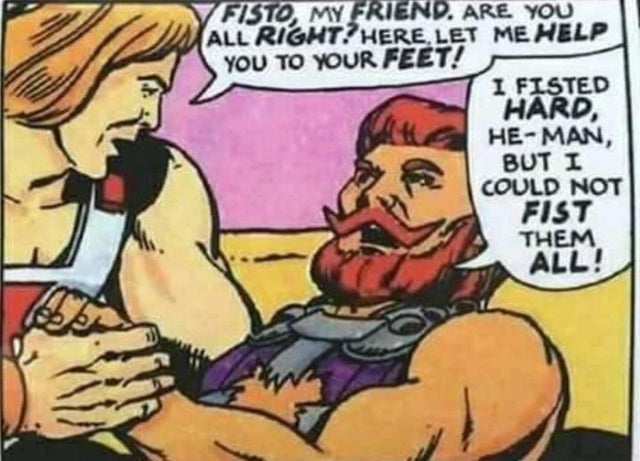
Need context?

I finally got around to framing and hanging our Le bateleur (which translates from French as “juggler,” “street performer,” or “busker”) tarot card woodcut print. It’s the perfect size to go under one of the sconces in the hallway leading to our offices, and it looks pretty damned good.
It’s a gift that our Toronto friends Natalie and Eldon gave to us during our visit to Toronto last October, just before we flew off to visit the Philippines.
(It’ll be nice to be able to travel again…someday.)
Le bateleur is one of Canadian artist Graham Blair’s woodcut prints. Here’s how he describes it:
The earliest known tarot card decks date to the early 1400s, and for several centuries they were used simply as game cards, becoming associated with divination only after the 1780s. While the first tarot cards were hand-painted, for most of their existence they were printed from woodcuts using the same techniques that I use today.
This design is my North Atlantic interpretation of the first and one of the most famous trump cards – Le Bateleur – which traditionally depicts a sleight-of-hand magician sitting in front of his table of tricks, the image of a skillful trickster and master of the material world. In my version, the magician is an accordion-playing fisherman seated in front of a table overflowing with cod. On the deck of his ship are the tools of his trade – a cod jigger and splitting knife – and the tail of a humpback whale can be seen in the distance. This magician’s sleight-of-hand is manifest in the jigs and reels he coaxes from his accordion.
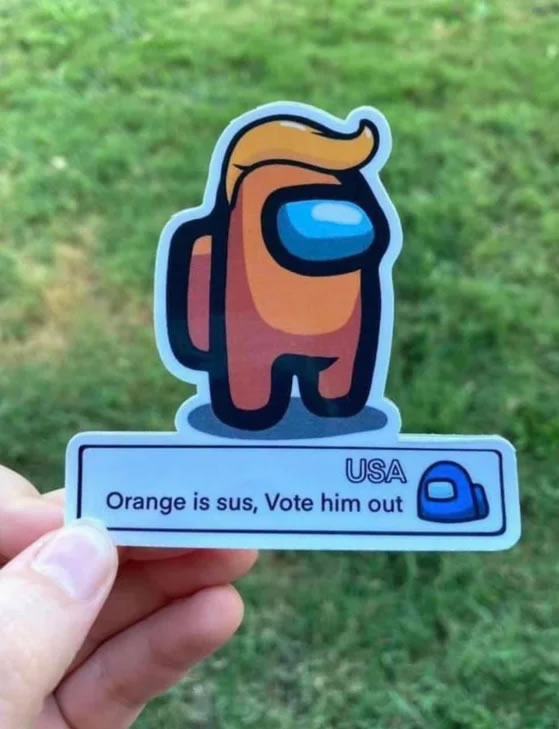
Today is the first day of early voting in Florida, and there are also drop boxes for mail-in ballots. If you can, vote — and remember that Orange is sus!
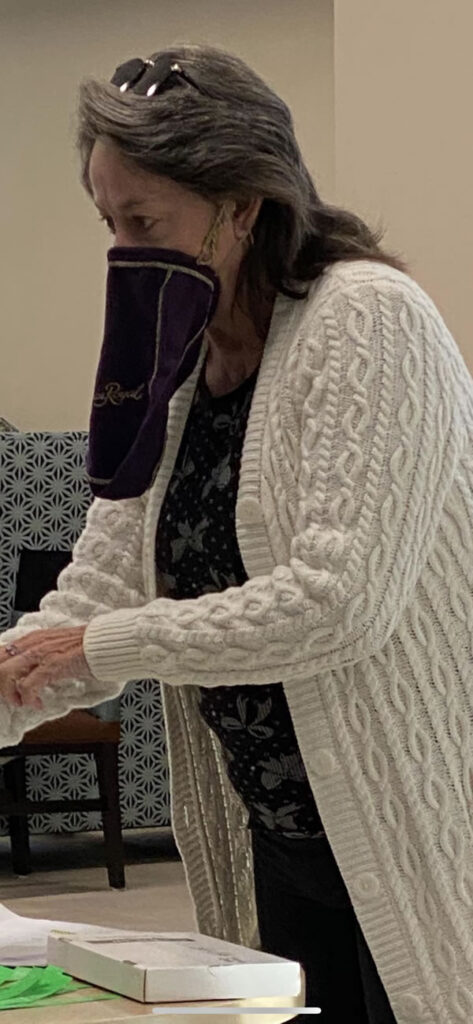
I can’t speak to their effectiveness at stopping aerosolized droplets, but let’s give her some points for creative problem-solving and improvisation!

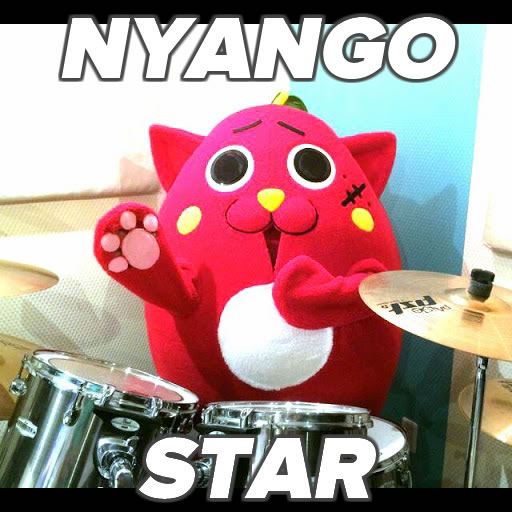
It’s impossible to describe Nyango Star with mere words. This video will do a much better job:
Nyango Star is a mascot for Kuroishi City in Japan’s Aomori prefecture, on the northernmost tip of Honshu (the main island), and Japan’s largest producer of apples. In a design decision that makes perfect sense if you’re Japanese, Nyango is:
The name also makes perfect sense if you’re Japanese:
Here’s a Vice documentary about Nyango Star:
Here’s a great video — Professional vs. Beginner Drummer — in which somehow Nyango, a mascot in an apple/cat costume with fixed facial features is displaying more emotion than the human:
Here’s Nyango doing a drum cover of the Japanese pop tune Futon no nakakara detakunai, which translates as “I don’t want to leave my futon”:
And I’ll close with this observation: Only in Japan can you assemble a crowd of seniors at a concert hall to watch an apple/cat mascot drum along to Slayer’s Raining Blood: