Categories
It Happened to Me The Current Situation The More You Know...

Save the aloha shirt from the alt-right

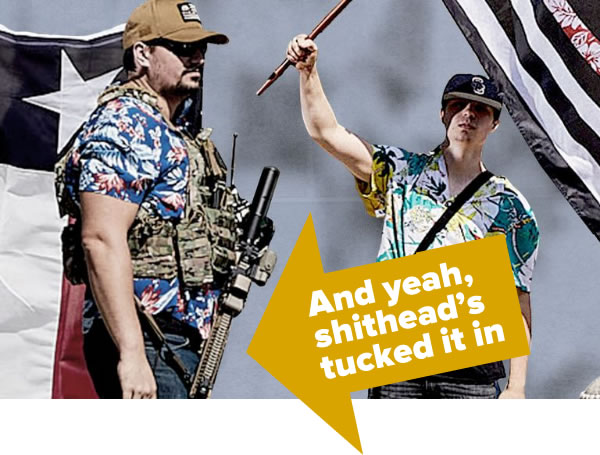
There’s an alt-right group who believe that a second Civil War — which they call the “boogaloo” — is coming, and they’re raring to take their part in it. The name “boogaloo” comes from the 1984 film Breakin’ 2: Electric Boogaloo, which was a sequel to Breakin’. The term “boogaloo” has since been contorted into similar-sounding shibboleths: “big igloo,” and quite notably, “big luau.” It’s the “big luau” expression that led to their adopting the aloha shirt as a signifier, along with camo pants, MAGA caps, and other clothing that’s meant to signify to their buddies that “I too am a fascist.”

That’s the point of this article…
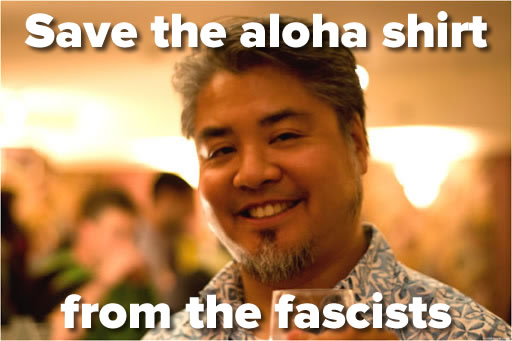
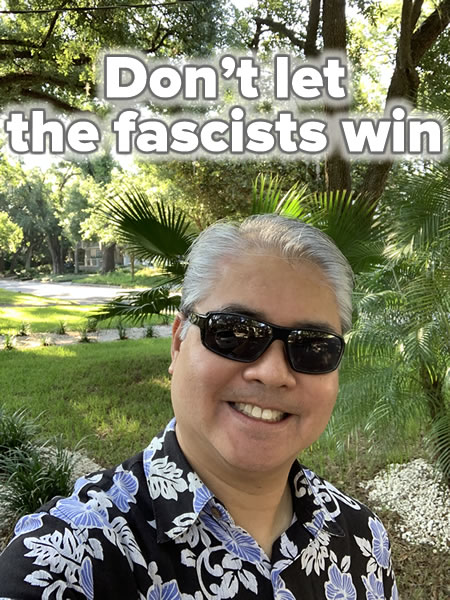
These alt-right assholes are trying to claim the Aloha shirt as part of their symbology, and I intend to do everything in my power to stop them. It’s bad enough that they’ve associated themselves with the tiki torch, but this Pacific Islander will not stand idly by as they attempt to co-opt my sartorial specialty.

Aloha shirt history

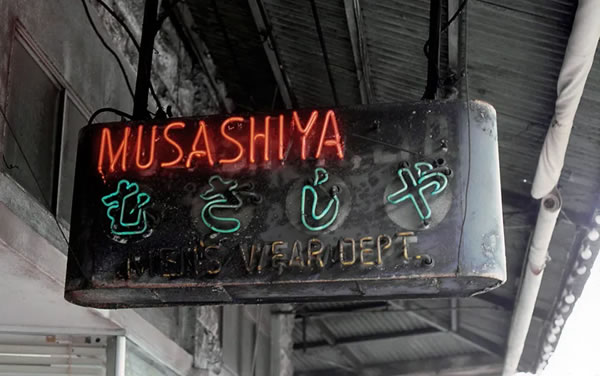
Quite unsurprisingly, Aloha shirts are the creation of an Asian expats in Hawaii. One account credits its creation with the “Musa-Shiya The Shirtmaker” store

…under the proprietorship of Koichiro Miyamoto, pictured below:
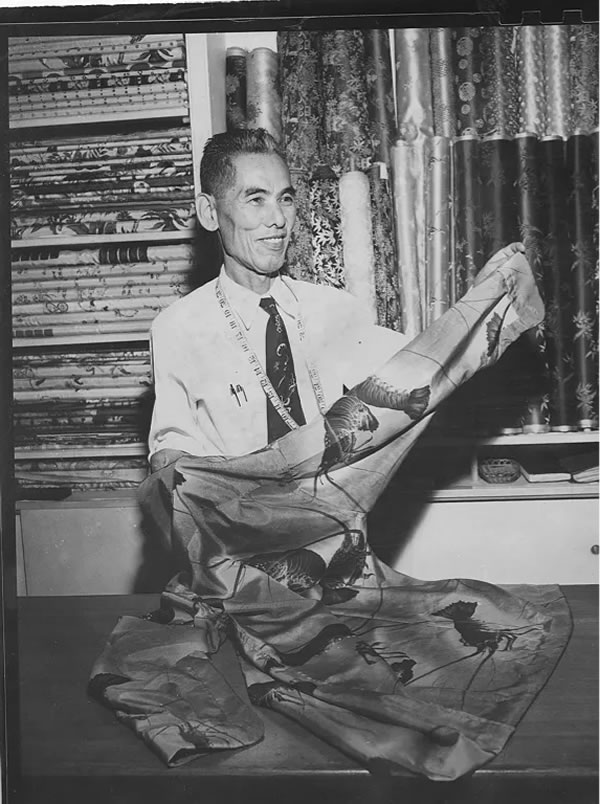
Another story says that Ellery Chun, a Chinese merchant who ran King-Smith Clothiers and Dry Goods in Waikiki. He is believed to have been the first to mass-produce pret-a-porter aloha shirts.
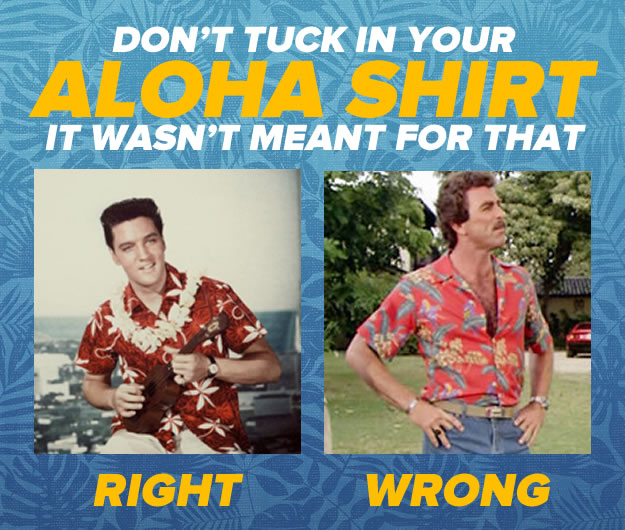
Because aloha shirts have straight lower hems, you’re supposed to wear them untucked, following the example of local Filipinos, who often wear dress shirts untucked (I do).
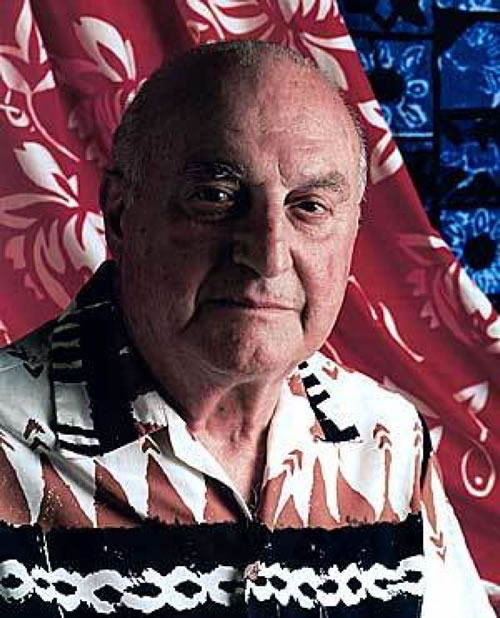
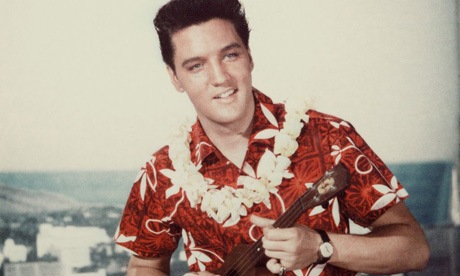
If there’s one person who should be credited with the popularity of the aloha shirt (the term “Hawaiian shirt” is technically incorrect), it’s textile manufacturer Alfred Shaheen. While he didn’t create the aloha shirt — they’d been made in Hawaii since the 1930s, and with the rise of air travel in the 1950s, tourists started them bringing them home from their vacations in the islands. Shaheen took these shirts, which were originally cheaply-made, and elevated them with better tailoring, materials, and patterns. The red aloha shirt that Elvis wore on the cover of the Blue Hawaii soundtrack album is a Shaheen design:
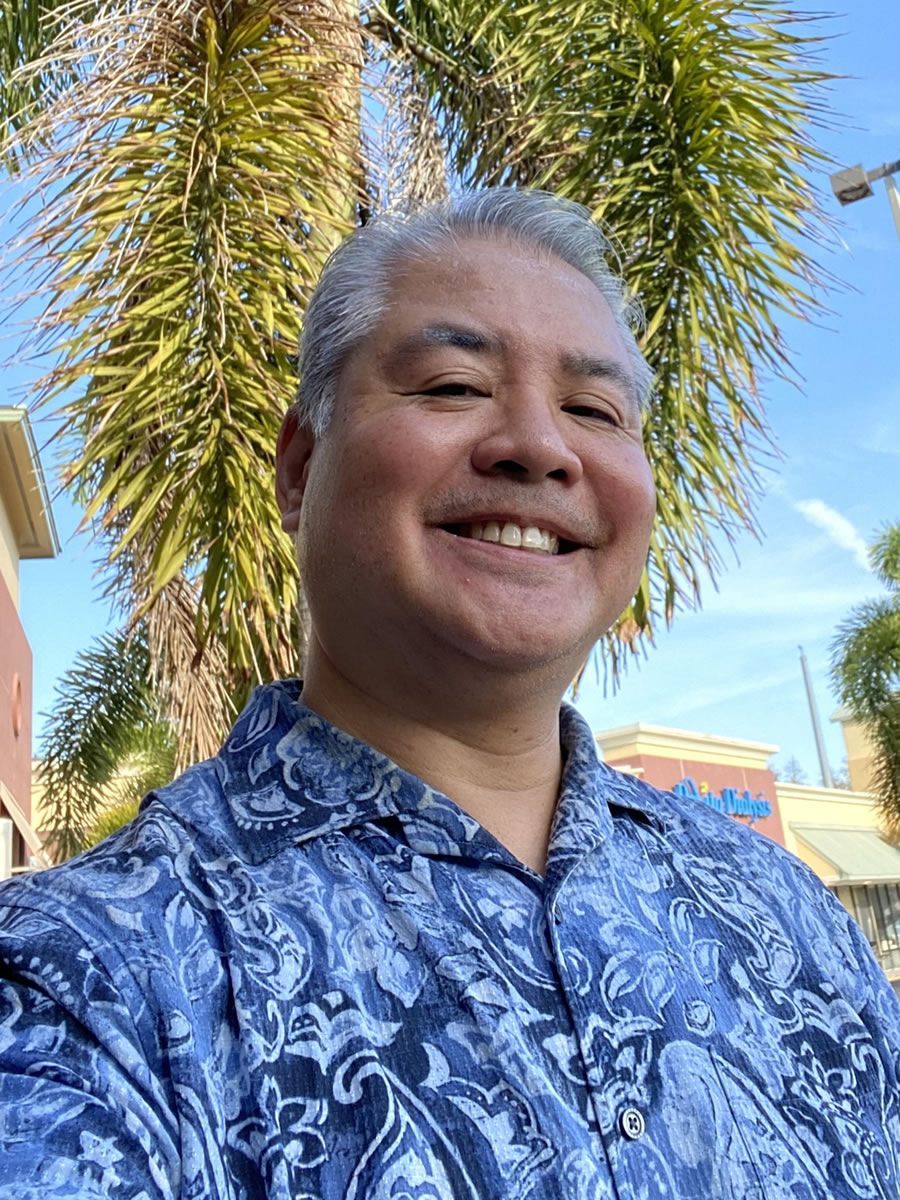
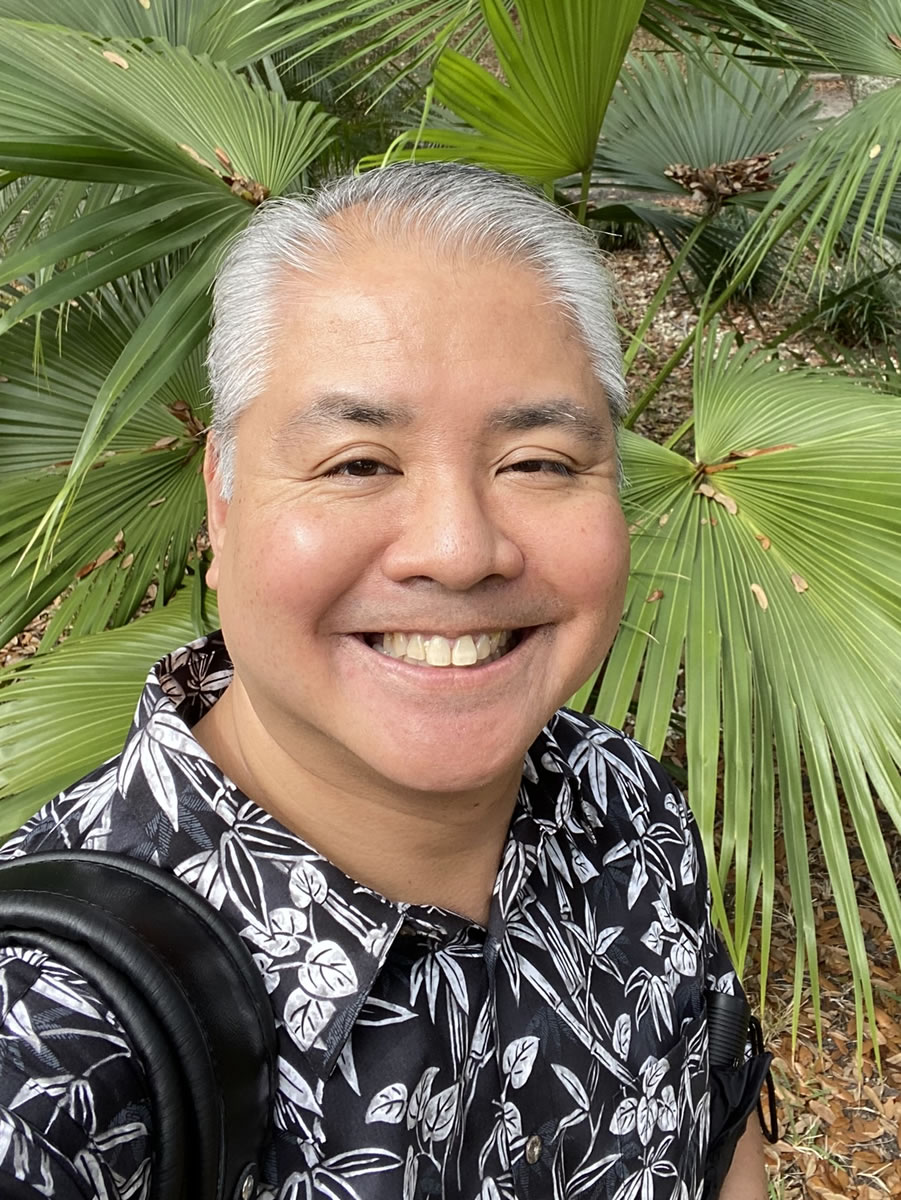
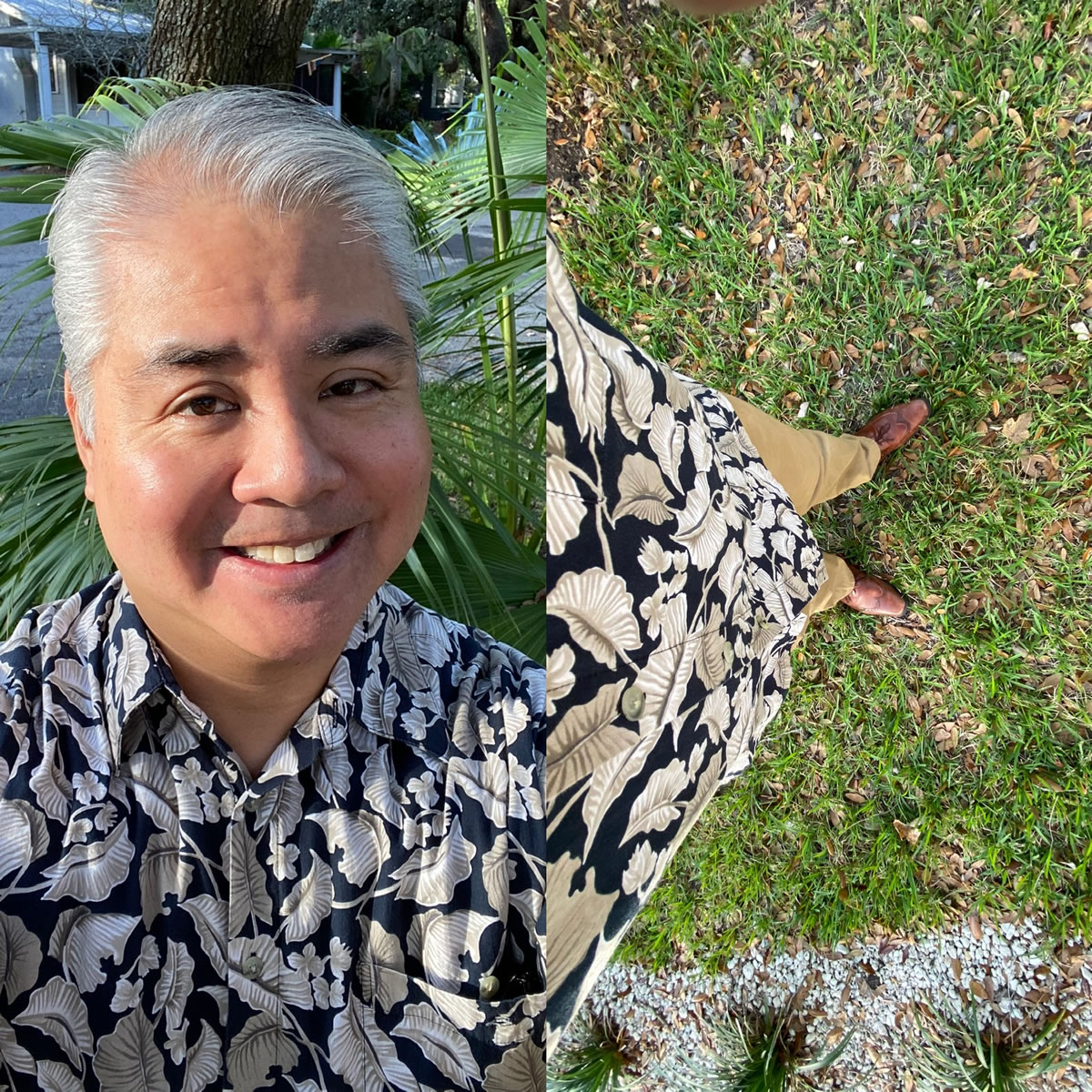
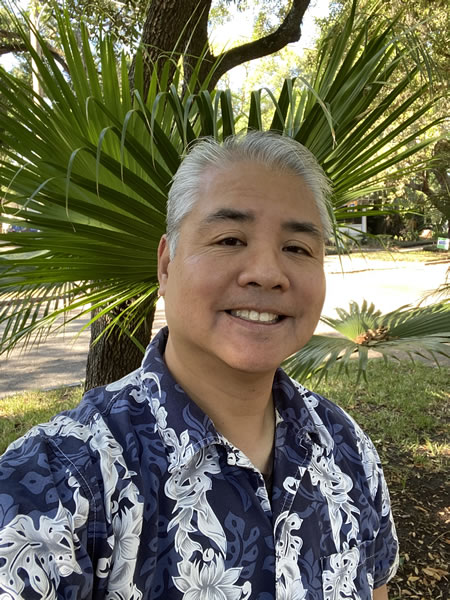
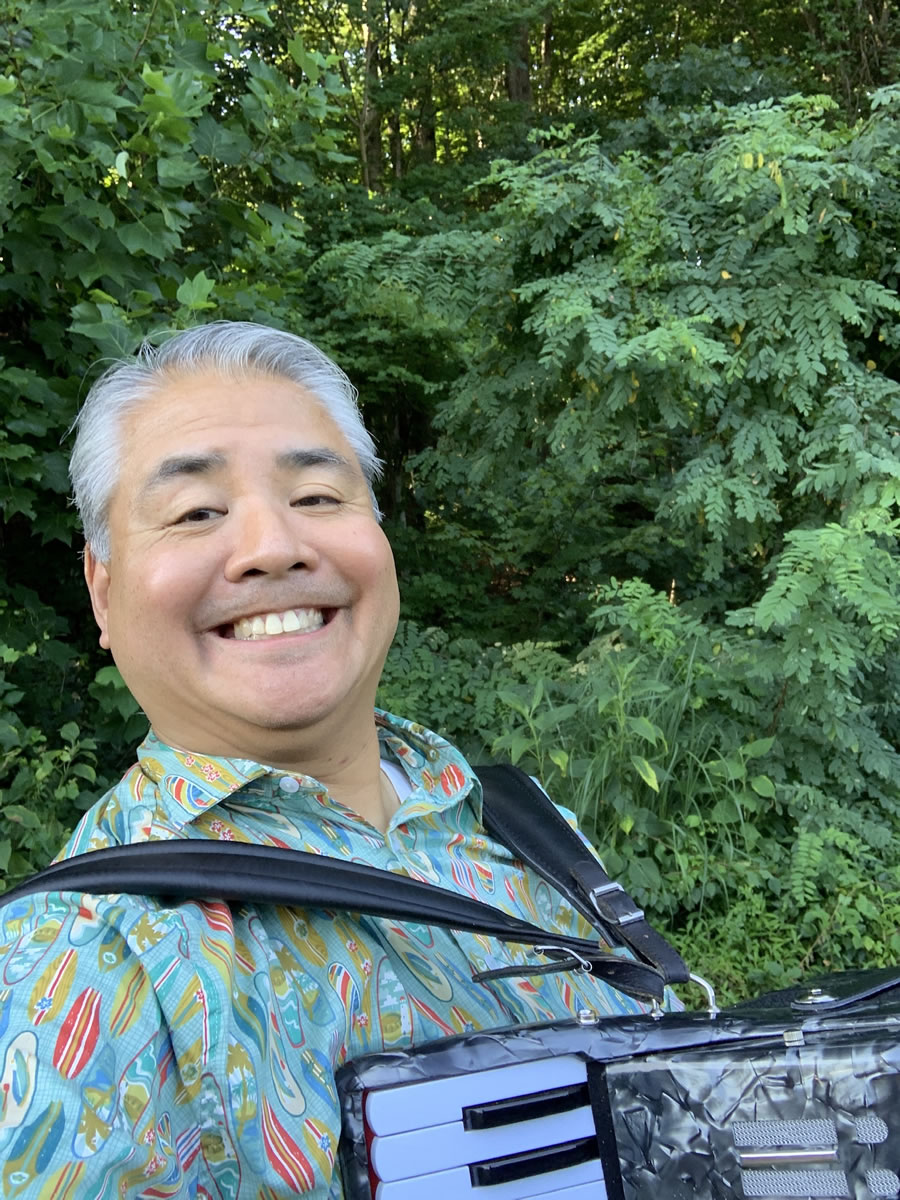
Those of you who’ve known me a while know that I maintain a fine collection of aloha shirts, and I’m often mistaken for Hawaiian. You have no idea how many times I’ve been greeted with “Mahalo!” It’s the perfect clothing for my general vibe, and it’s even more appropriate now that I live in Tampa’s sub-tropical climes:
The Wall Street Journal hit the nail on the head in their article Why the Extremist ‘Boogaloo Boys’ Wear Hawaiian Shirts with this paragraph:

…the inherent jolliness of a Hawaiian shirt gives heavily armed boogaloo boys a veneer of absurdity when they appear in public that can deflate criticism. “It’s tough to talk about the danger of guys showing up to rallies in Hawaiian shirts without sounding a little bit ridiculous,” said Howard Graves, senior research analyst at the Southern Poverty Law Center in Montgomery, Ala.

When an alt-right group has tried to appropriate something as a symbol, the brand has pushed back. After a neo-Nazi tried to declare New Balance “the official shows of white people” in 2016, New Balance quickly denounced white supremacy. Fred Perry has had to do the same because the Proud Boys are so fond of their shirts. Tiki Brand, the people behind the torches, have gone to great pains to distance themselves from the “very fine people” at Charlottesville. But since no single brand is associated with aloha shirts, there’s no organized pushback or single voice speaking out against the boogaloo bois and their sullying the aloha shirt by association.

There may be hope. Perhaps someone who’s a credible representative or symbol of Hawaii can speak out. The Honolulu Star-Advertiser made a good start in a recent editorial:

We’re Hawaii, and we want our shirts back.

Not only do we want them known by their proper name — aloha shirts, and not “Hawaiian shirts” as mainlanders call them — but in particular, they should not have been taken over by a violent political fringe group.

And yet, as a result of memes in social media, aloha shirts have been adopted as a kind of uniform for white nationalist groups. Folks who get the relaxed vibe of aloha shirts call that inappropriate. No aloha to those violent Hawaiian-shirt wearers.

Until we get that official voice, it’s up to us — those of us who wear aloha shirts out of love for the style, the signifier of being “the life of the party” or a person of good cheer, to celebrate a love or heritage of the Pacific islands, or any combination of all those — to defend our beloved items of clothing and keep the boogers from ruining them. Join me in this fight!

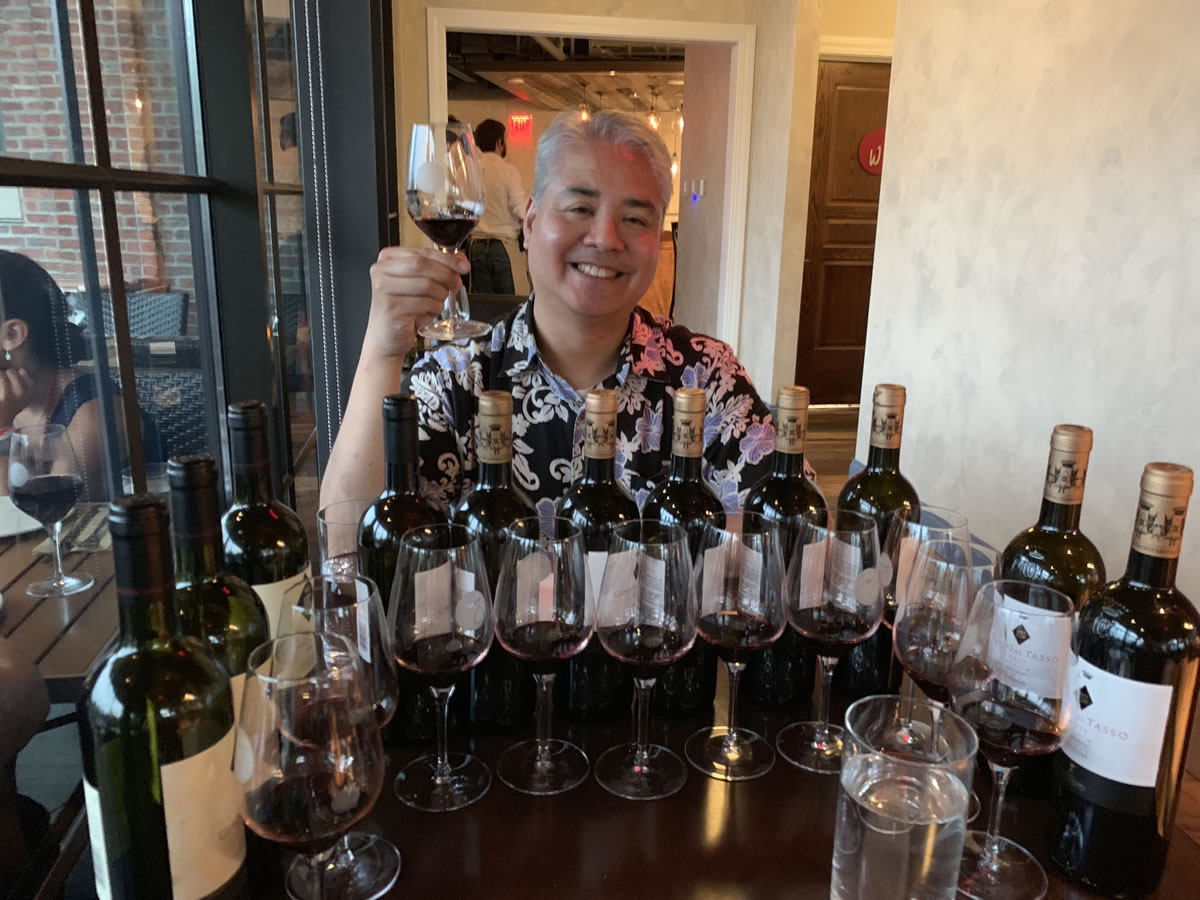
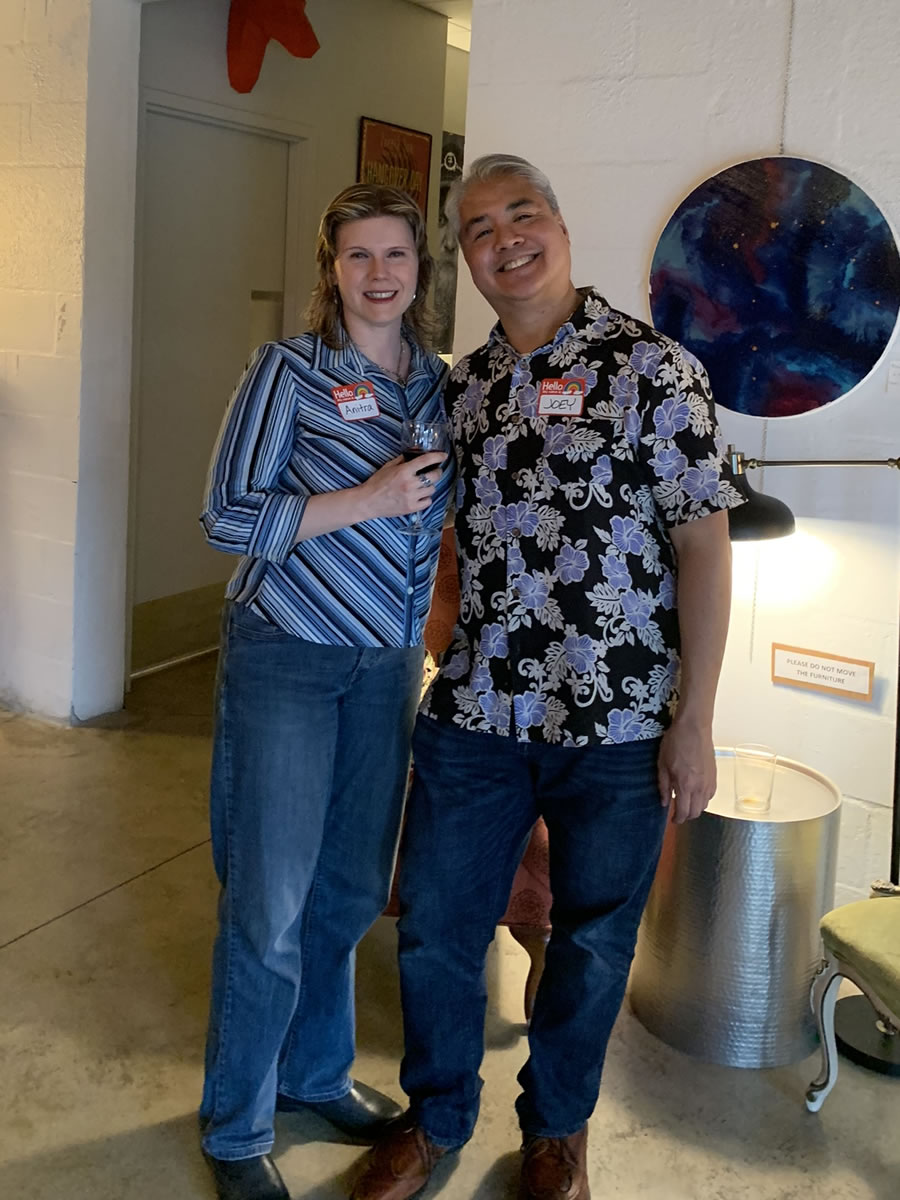
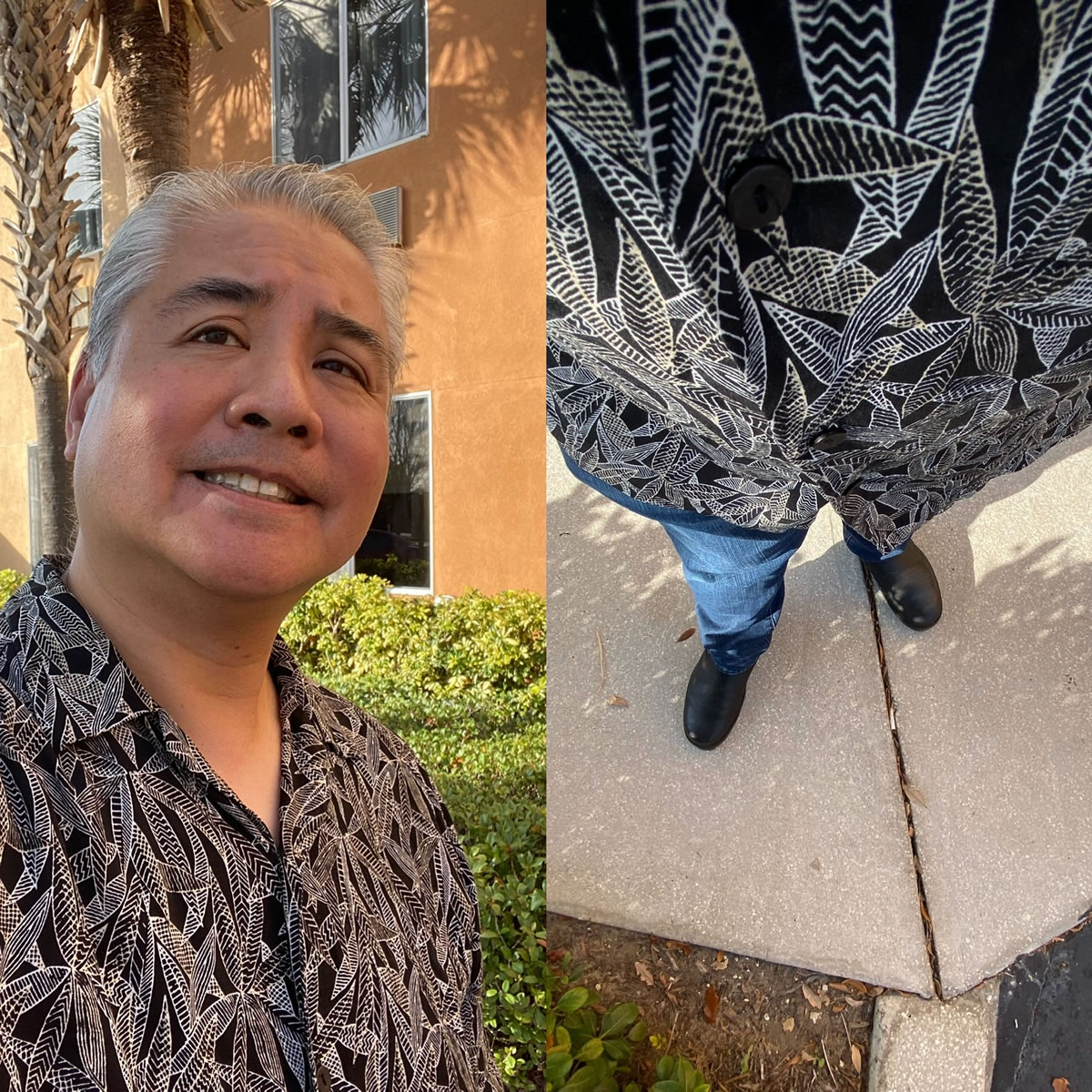
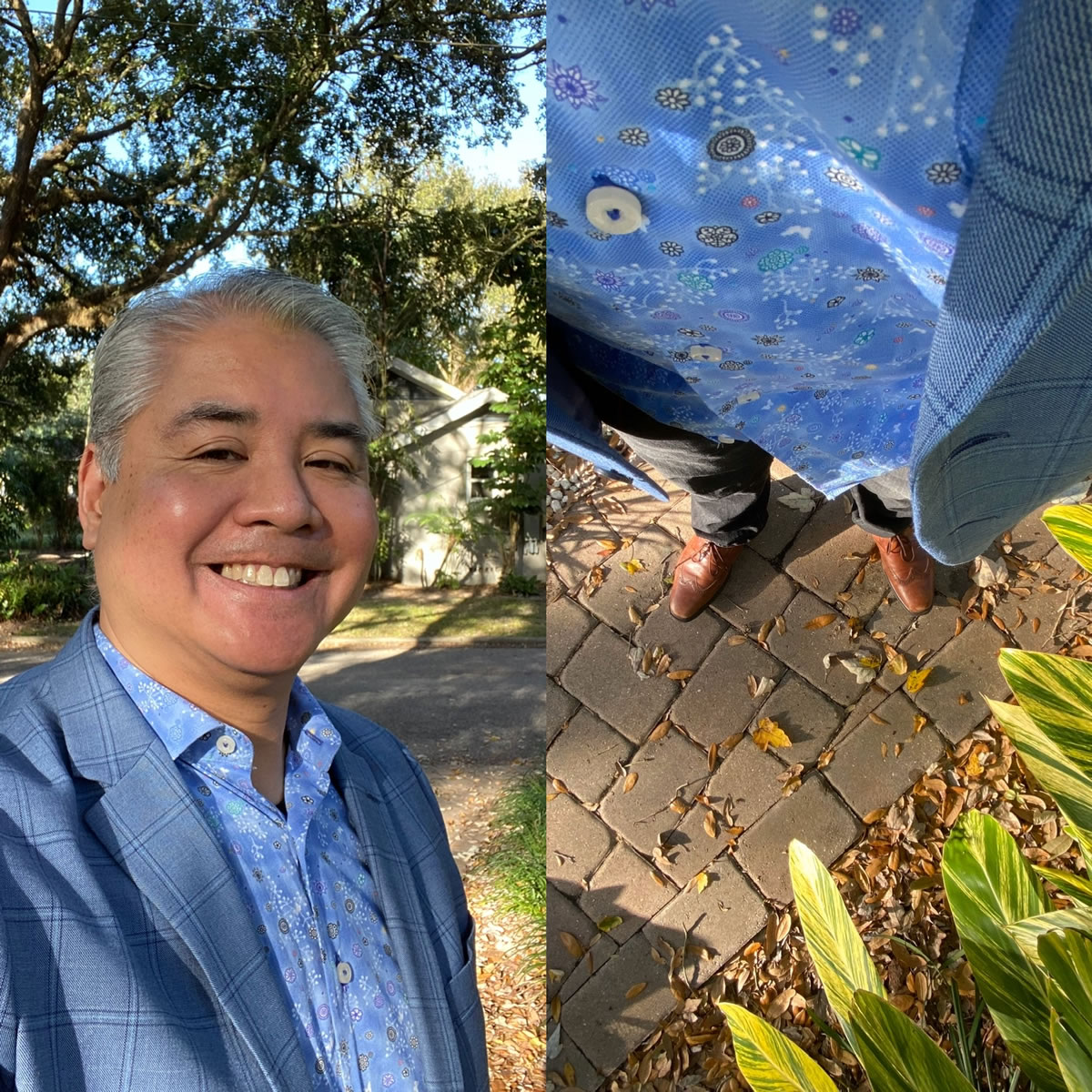
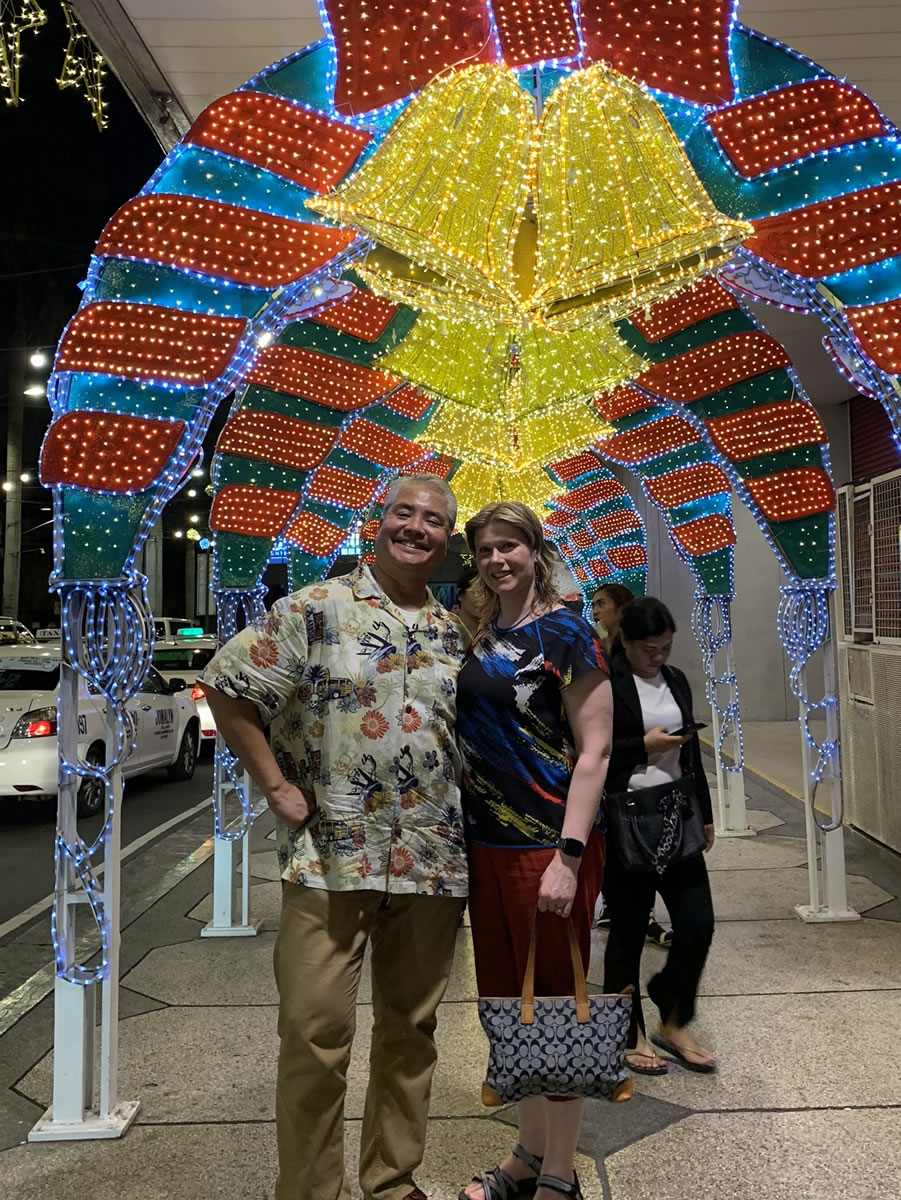
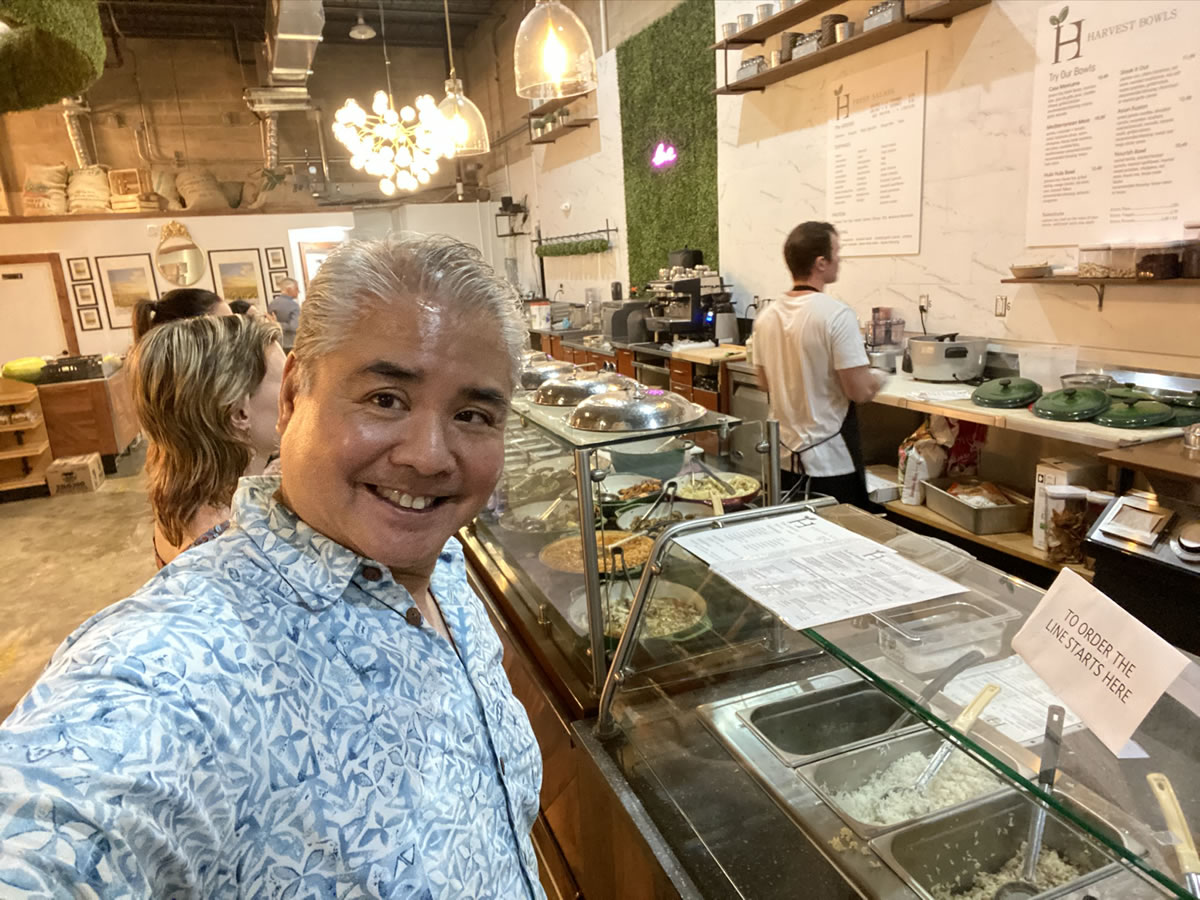
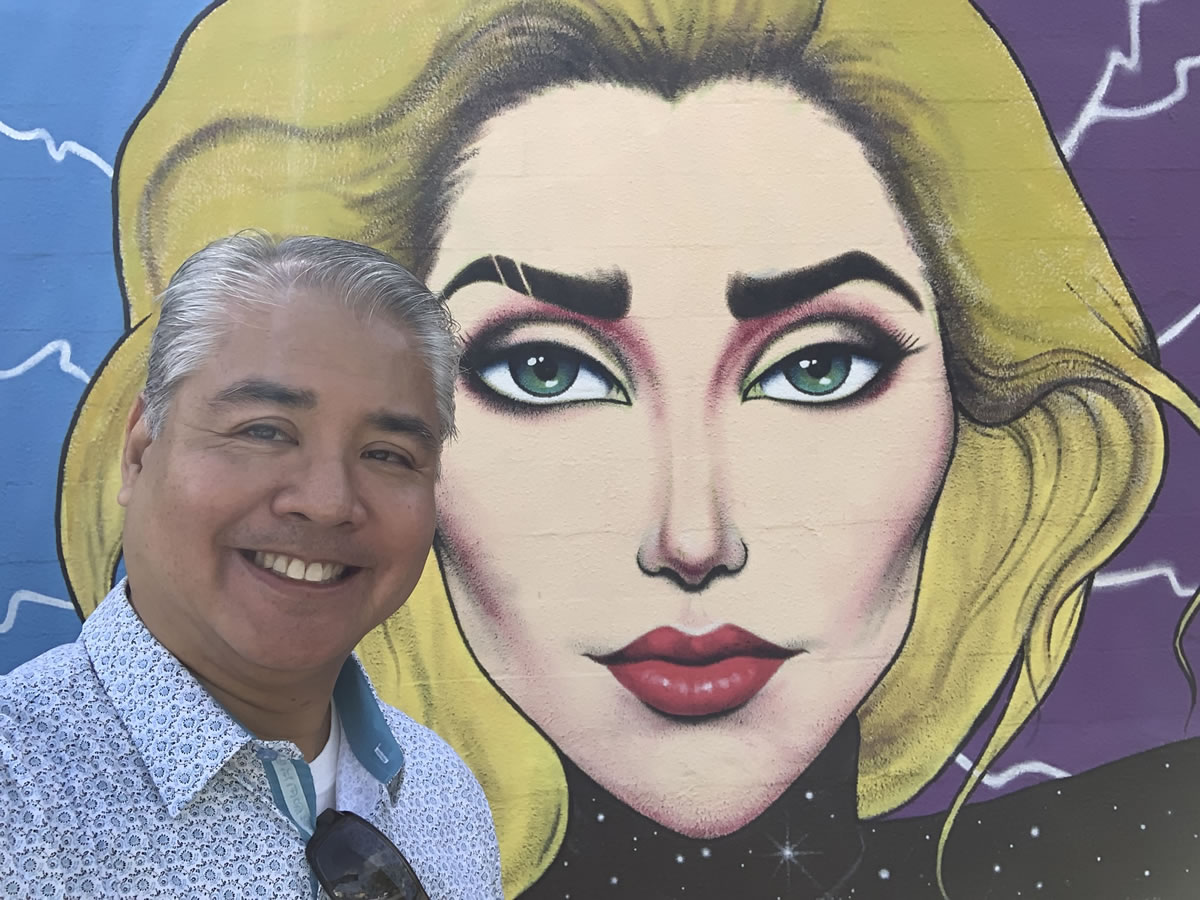
I’ll close with a gallery of Yours Truly in some of my favorite aloha and aloha-style shirts.
Recommended reading

Categories
The Current Situation

Notes on the current situation from a Canadian rapper

If you’re not from Canada, chances are you haven’t heard of Canadian rapper (yup, that’s a thing!) Shad, a.k.a. Shad K, a.k.a. Shadrach Kabango. His parents are Rwandan, he was born in Kenya, and he grew up in London, Ontario (he has my sympathies). As a rapper, he’s one of Canada’s best — in 2011, his album TSOL beat out Drake’s Take Care album for a Juno Award (Canada’s analogue to a Grammy). He also hosted CBC Radio One’s show Q (which you can hear in U.S. on public radio) in 2015 and 2016, and hosts the Netflix series Hip-Hop Evolution.

He recently posted this online, and it’s worth reading, thinking about, and taking to heart:

So I’ve gotten quite a few messages from people asking how they can help right now and I’d suggest following (not DMing!) our community leaders and activists for their best advice, but this is what’s been on my mind lately with respect to this.

6 things:

  1. Your relationships: The beliefs and conversations among your family and friends
  2. Your work: The atmosphere and dealings in your workplace
  3. Your schools: The environment and practices in your kids’ schools
  4. Your communities: The messages communicated explicitly and implicitly in your community groups and religious communities
  5. Your money: Where you choose to invest and how your spend your discretionary income
  6. Your vote: At every level

Petitions and donations are very helpful, especially in moments like these, but there are relationships and environments where you and only you can help dismantle anti-Black racism in an ongoing (and thus sustainable) way.

These dimensions of our lives are, in sum, who we are. Rather than looking out into the world for someone to attack or someone to save, my hope is that well-meaning folks would look into the mirror of these things and change themselves. This process will likely be more uncomfortable than sending cash or adding a signature but such feelings can be a good sign: Change is by definition unsettling.

As you educate yourselves, scrutinize these aspects of your life, and set out to make changes in some or all of them, remember again that the larger story is good; Black people have been surviving and fighting this fight for a long time and you’re welcome to partner with us for our freedom and for yours.

But have no illusions: The work probably won’t be glamorous and it won’t undo past harm. It will cost you something. Perhaps literally. And expect more pushback than praise. It is work after all.

Well put, sir.

I’ll close with a couple of my favorite Shad numbers:

Categories
The Current Situation The More You Know...

FREE book of the day: “Who do you serve, and who do you protect?”

For the next four days, you can get the ebook version of Who Do You Serve, Who Do You Protect?: Police Violence and Resistance in the United States for FREE from Haymarket Books, a nonprofit book publisher based in Chicago and project of the Center for Economic Research and Social Change.

Here’s the publisher’s blurb:

What is the reality of policing in the United States? Do the police keep anyone safe and secure other than the very wealthy? How do recent police killings of young black people in the United States fit into the historical and global context of anti-blackness?

This collection of reports and essays (the first collaboration between Truthout and Haymarket Books) explores police violence against black, brown, indigenous and other marginalized communities, miscarriages of justice, and failures of token accountability and reform measures. It also makes a compelling and provocative argument against calling the police.

Contributions cover a broad range of issues including the killing by police of black men and women, police violence against Latino and indigenous communities, law enforcement’s treatment of pregnant people and those with mental illness, and the impact of racist police violence on parenting, as well as specific stories such as a Detroit police conspiracy to slap murder convictions on young black men using police informant and the failure of Chicago’s much-touted Independent Police Review Authority, the body supposedly responsible for investigating police misconduct. The title Who Do You Serve, Who Do You Protect? is no mere provocation: the book also explores alternatives for keeping communities safe.

Once again, the book is FREE for the next four days and you can download it here. While you’re at it, check out Haymarket’s books, which are eye-opening, sometimes uncomfortable, and definitely not going to be found on the book table in Costco/Sam’s Club/whatever big box store you buy your “basic” books from.

Categories
The Current Situation

Tweet of the day: This will probably be my first accordion number on TikTok

Tap the tweet to see the source.

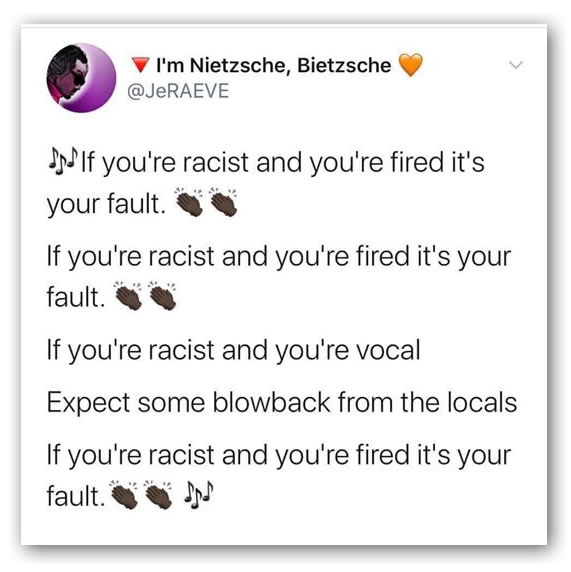
This tweet’s from a couple of years ago, but it’s still just as valid today, as people like the (former) co-owner of Nocturnal Hospitality Group have learned.

Categories
The Current Situation

Courage

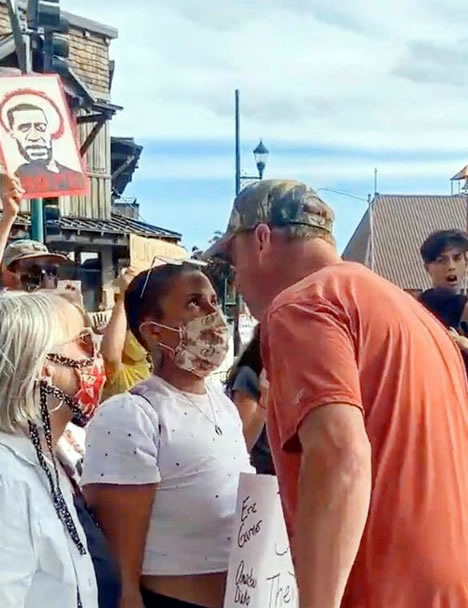
Photo by Grace Jensen. Tap to see the source.

When faced down by racist manbaby Jay Snowden at a Black Lives Matter protest in Whitefish, Montana, Samantha Francine pushed up her sunglasses so she could stare right back at him, eye-to-eye, even as he loomed over her with clenched fist and threatening posture. But she did not back down.

Here’s a video of Snowden’s tirade:

According to the report from NBC Montana:

He uses several expletives, knocks signs out of protesters’ hands and yells at an apparent clergyman before police take him away. The crowd around him chants “peaceful!” continuously throughout the nearly 3-minute video.

The man who caught the encounter on video tells NBC Montana it was totally peaceful up until that moment. He says Snowden drove by and flipped off the crowd the night before also.

From the statement issued by the Whitefish police:

Protests over the death of George Floyd have been ongoing in Whitefish since Monday night. Crowds of approximately 60 to 70 individuals have been peacefully protesting adjacent to Whitefish City Hall and at 2nd and Spokane. During last night’s protest an individual became confrontational with the protestors and police intervened, removing the individual from the scene. The subject, Jay Snowden 51 of Whitefish, was charged with one count of disorderly conduct this morning after Whitefish Police consulted with the Whitefish city prosecutor. Snowden has an initial court date of June 17, 2020.


If the name “Whitefish, Montana” rings a bell, it’s because neo-nazi, mentor to Trump senior advisor Stephen Miller, and professional speedbag Richard Spencer is at least a part-time resident. Here’s a Guardian article about it, and here’s a CNN report:

Categories
The Current Situation

I like to think of it as “one-stop shopping”

Categories
It Happened to Me Tampa Bay

Back at Produce Wagon

Tap the photo to see it at full size.

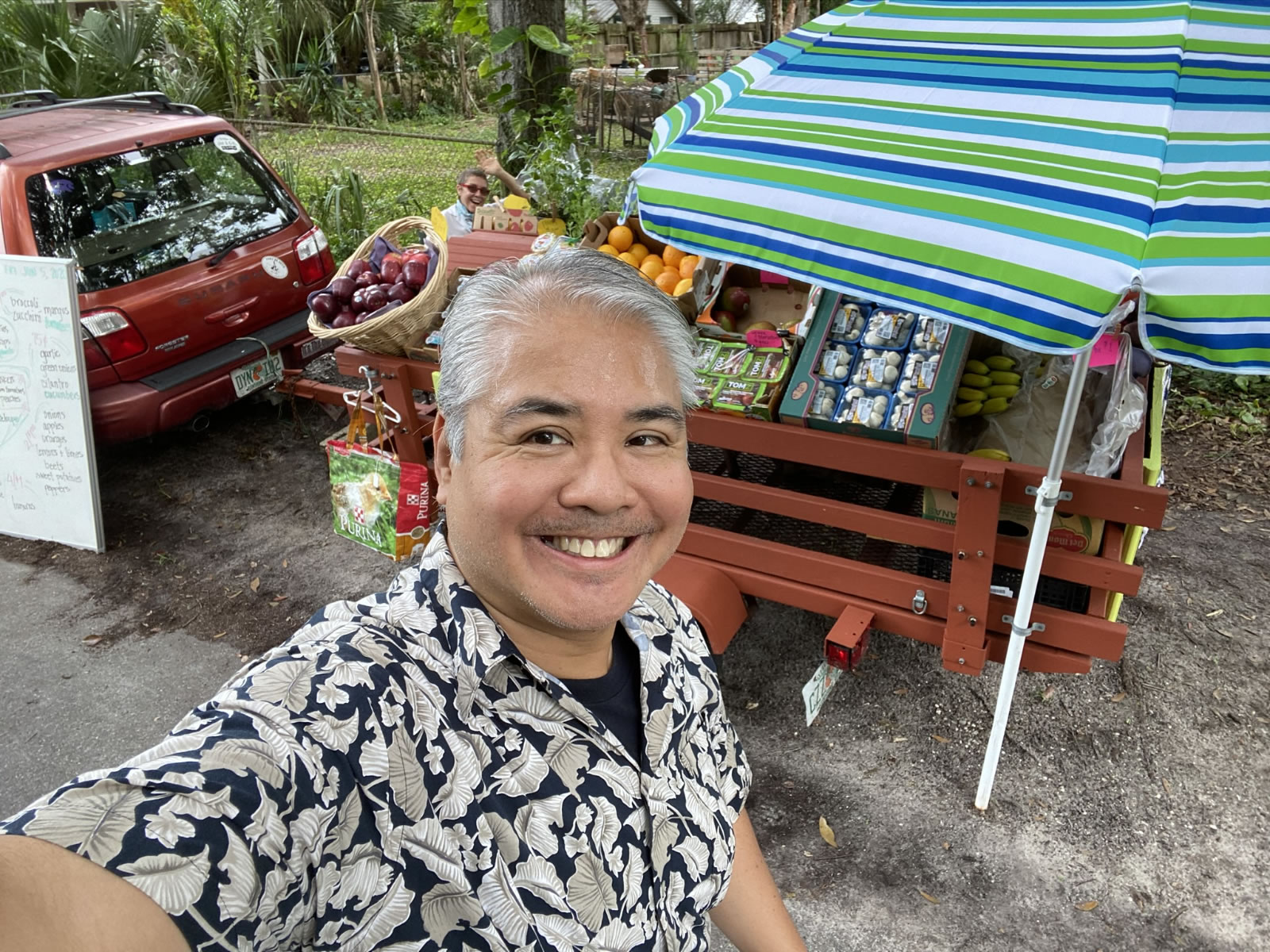
Seminole Heights’ seal, which depicts a two-headed alligatorOn Friday, I stopped by Produce Wagon, the fruit and veg stand that operates in our neighbourhood, just a few blocks away from the house on Tuesdays and Fridays. It’s always nice to see Patti and Fabiola, and was even better to find out that they’ve added an extra hour to their schedule — they’re now open at 13th and Crawford on Tuesdays and Fridays, from 9 a.m. to noon!

The vegetables I bought ended up in this morning’s scramble (pictured above), and will play a part in tonight’s dinner, which will be ma po tofu.