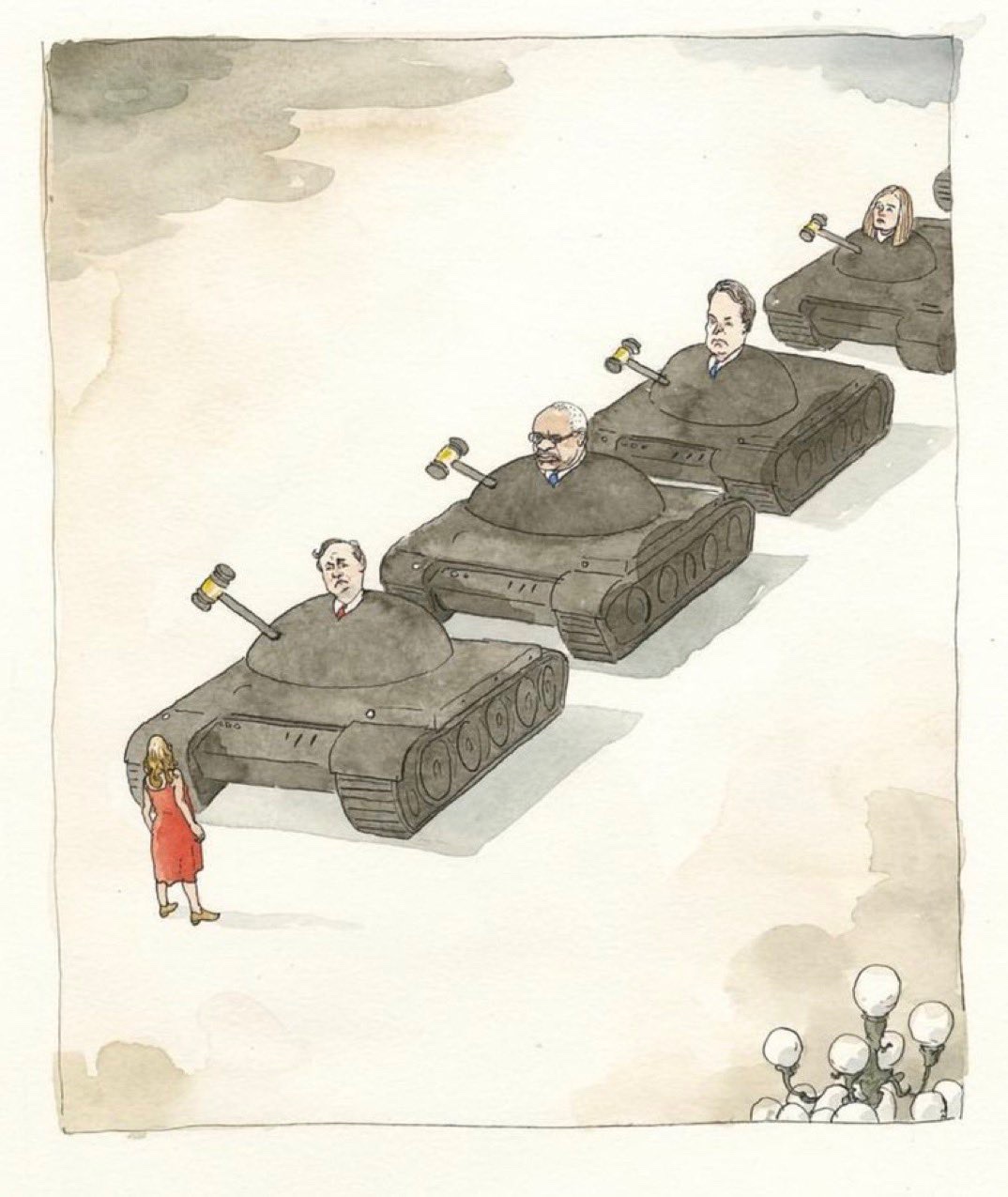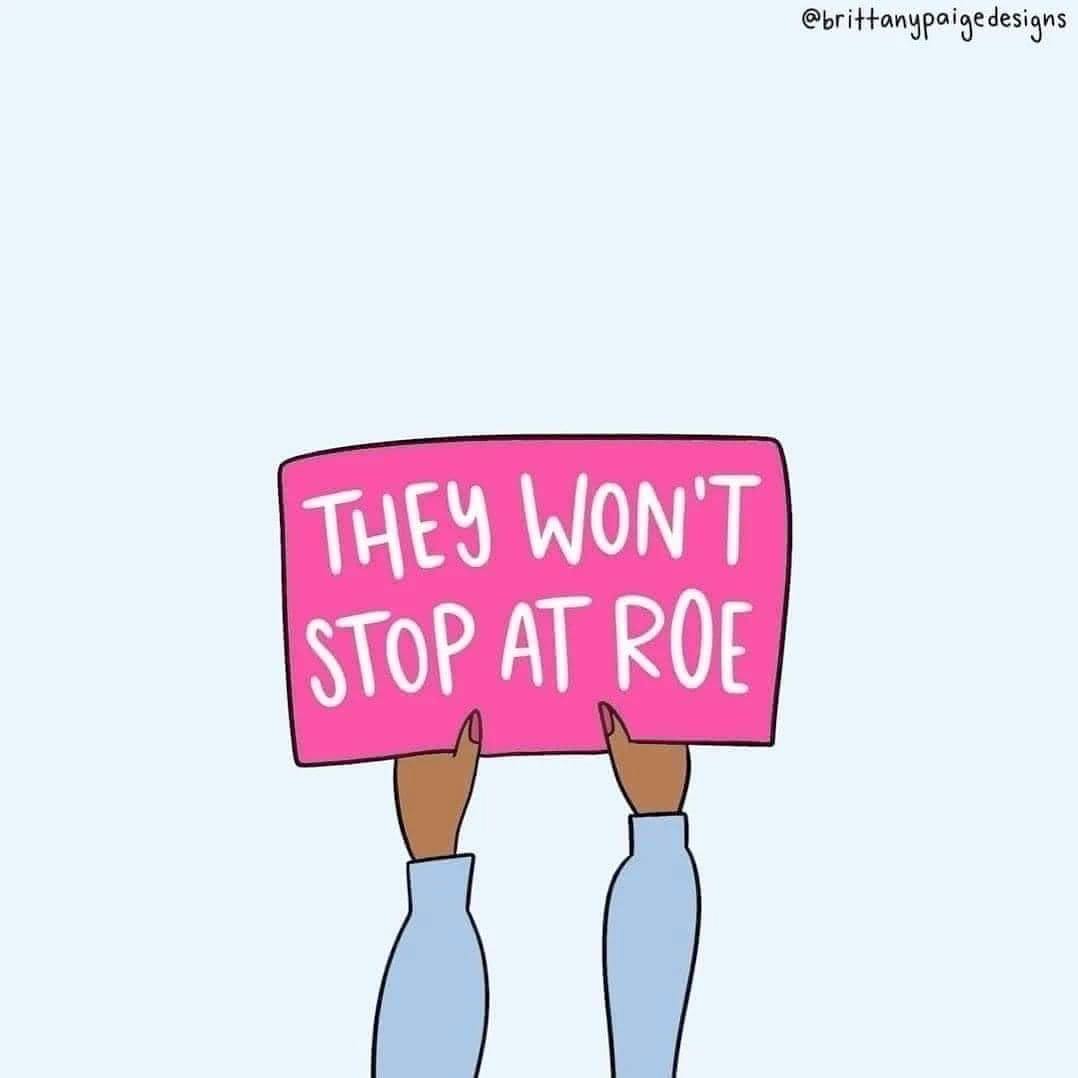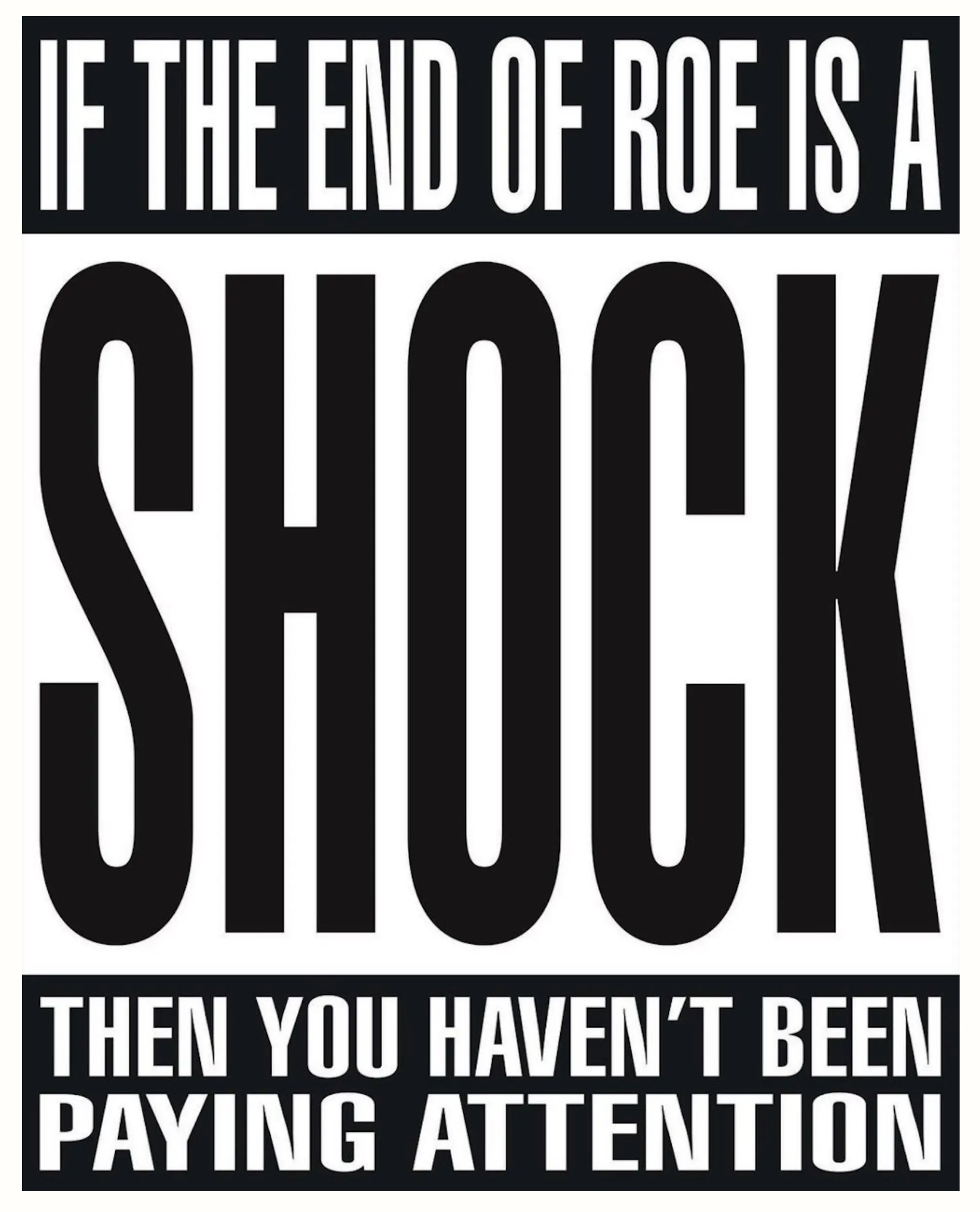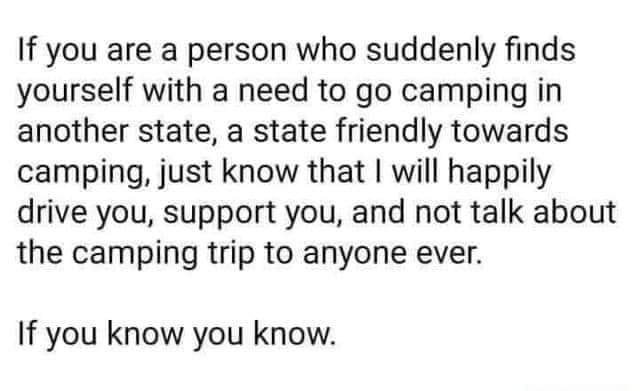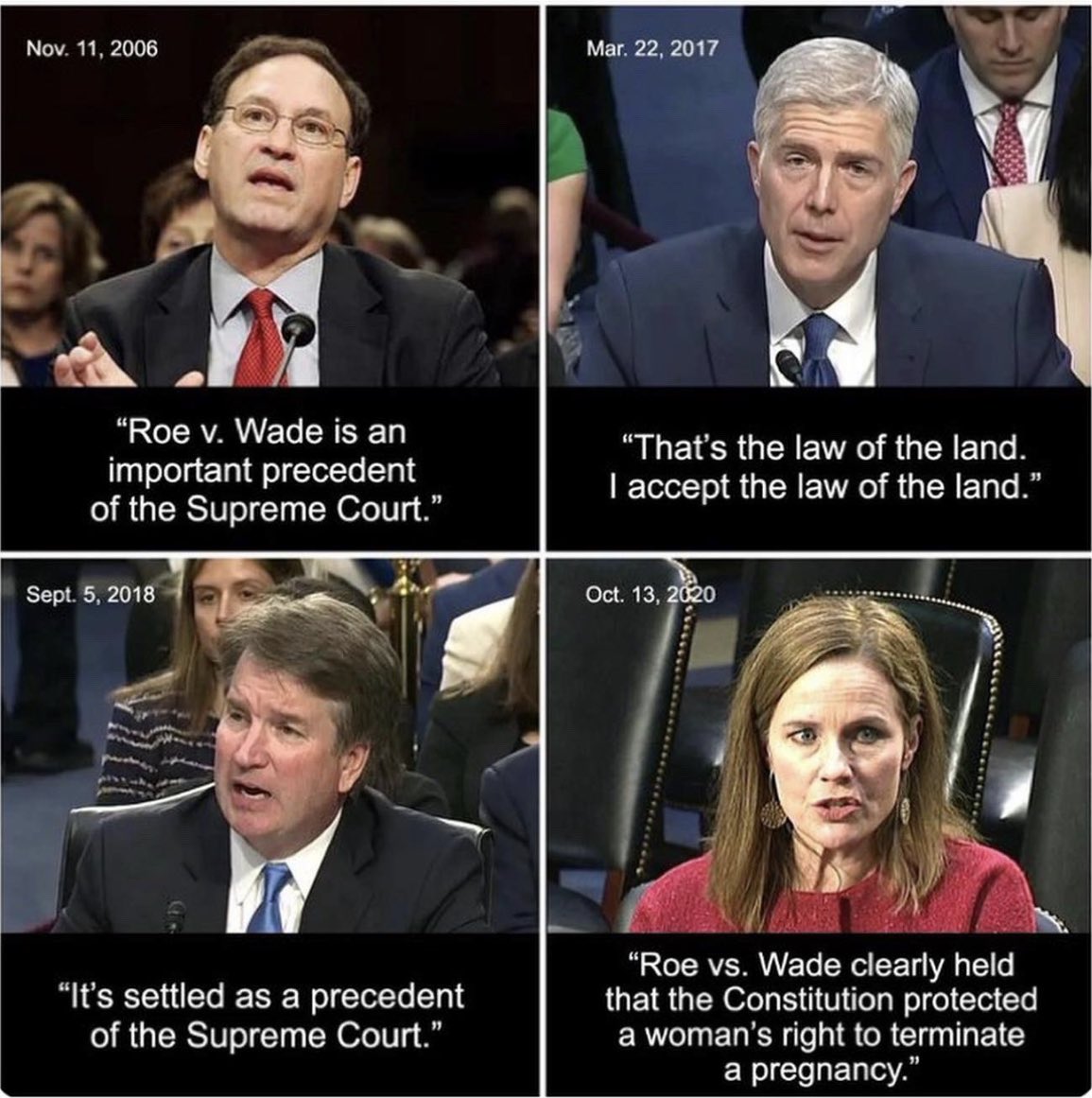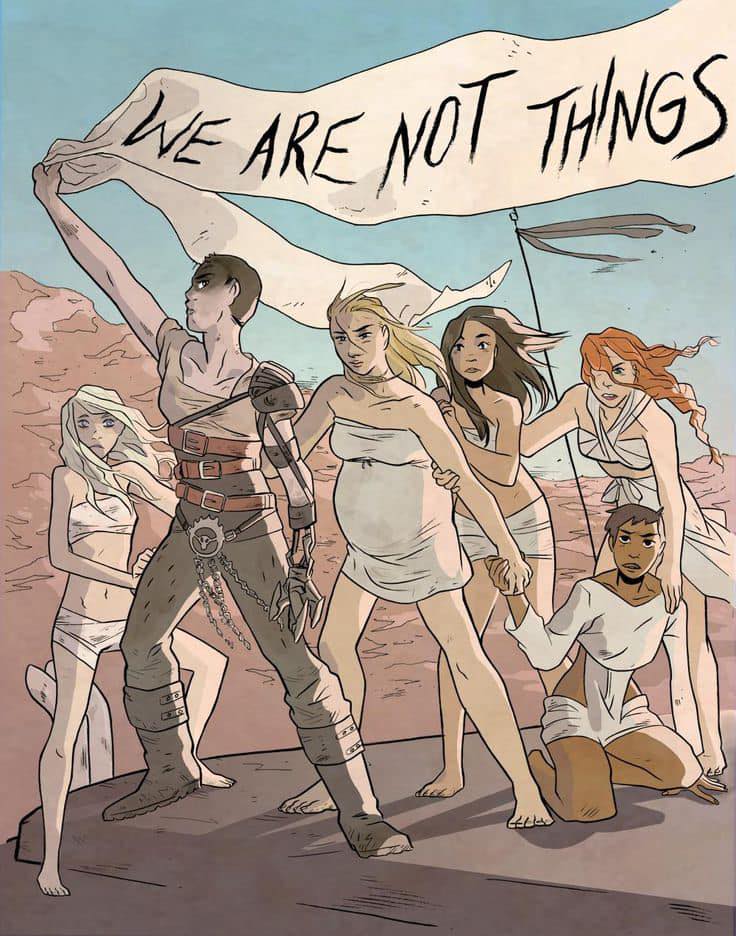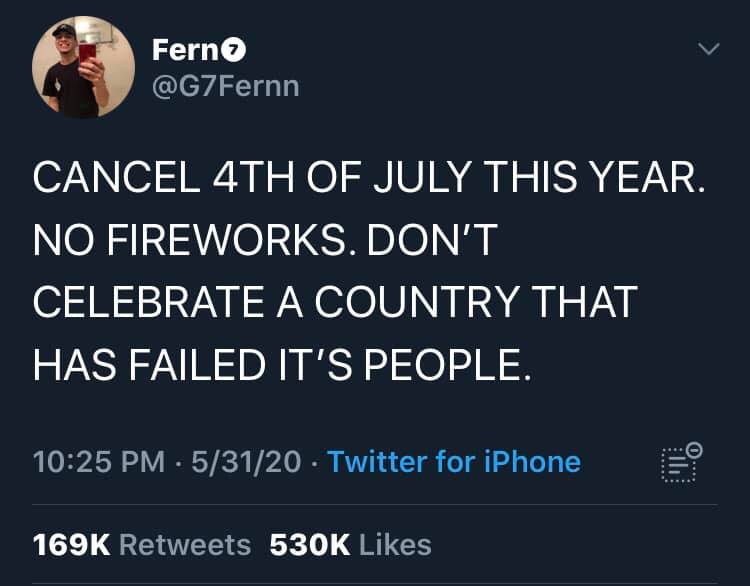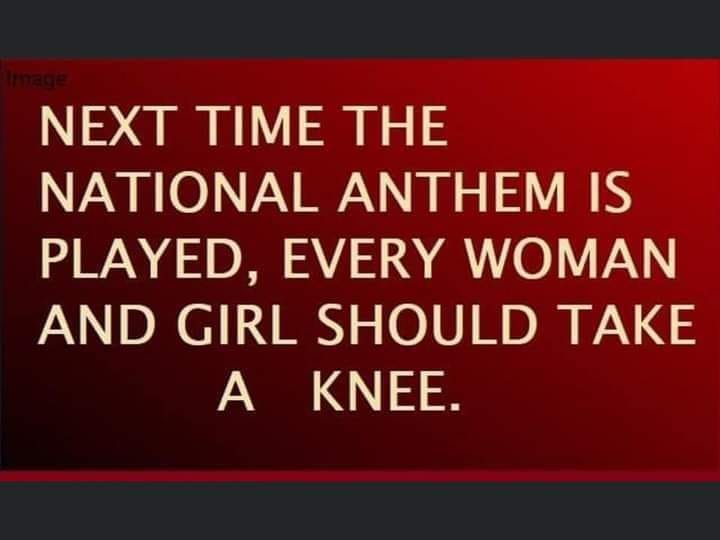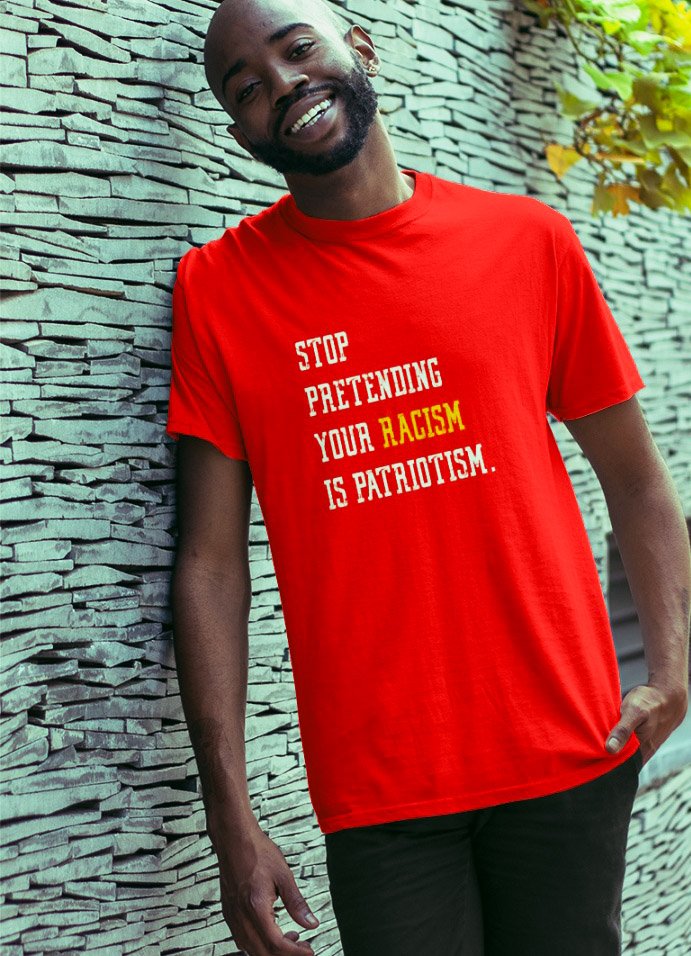
For context:
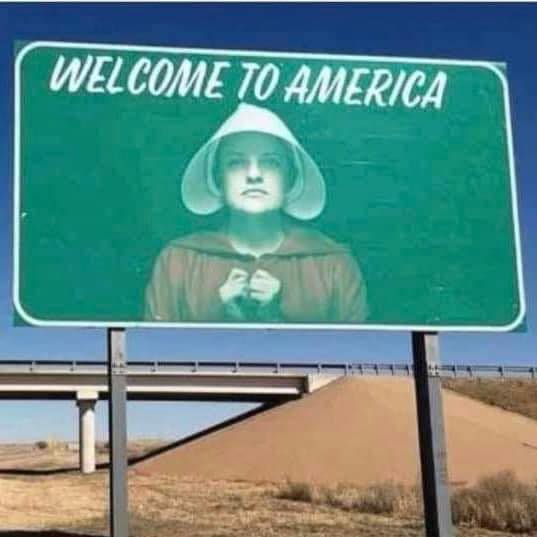
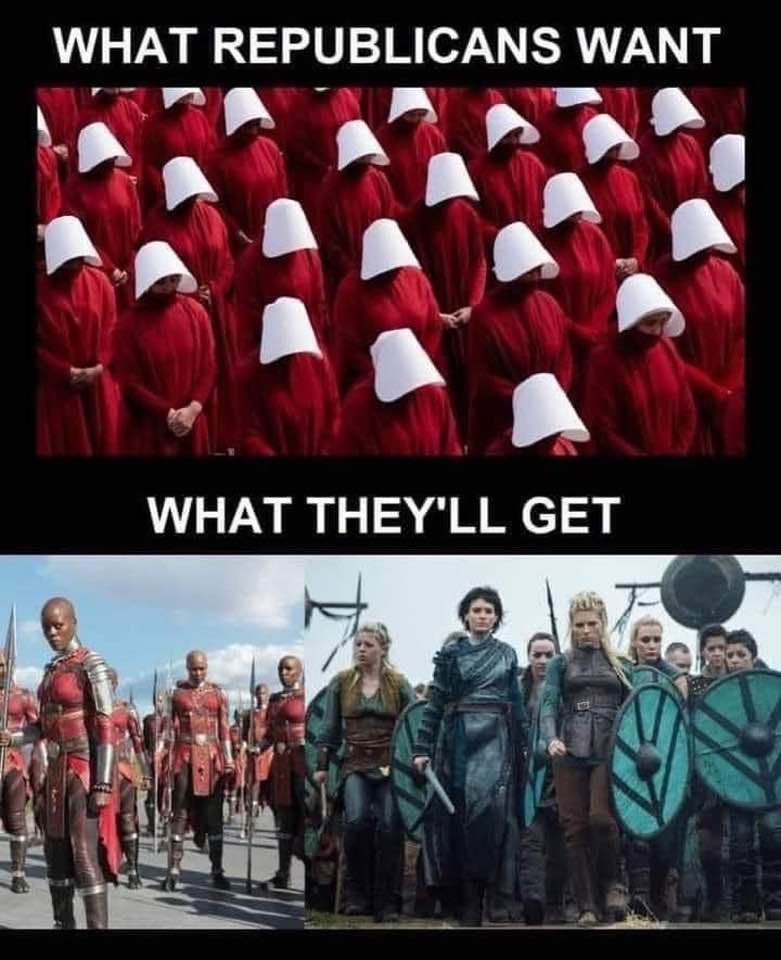
Meet the new Klan pic.twitter.com/OYMRVDfQVX
— David Alan Grier (@davidalangrier) July 3, 2022
For context:
Meet the new Klan pic.twitter.com/OYMRVDfQVX
— David Alan Grier (@davidalangrier) July 3, 2022
I’m wishing everyone a happy and safe Fourth of July, and sharing this excerpt from issue #1 of the 2021 comic book The United States of Captain America:
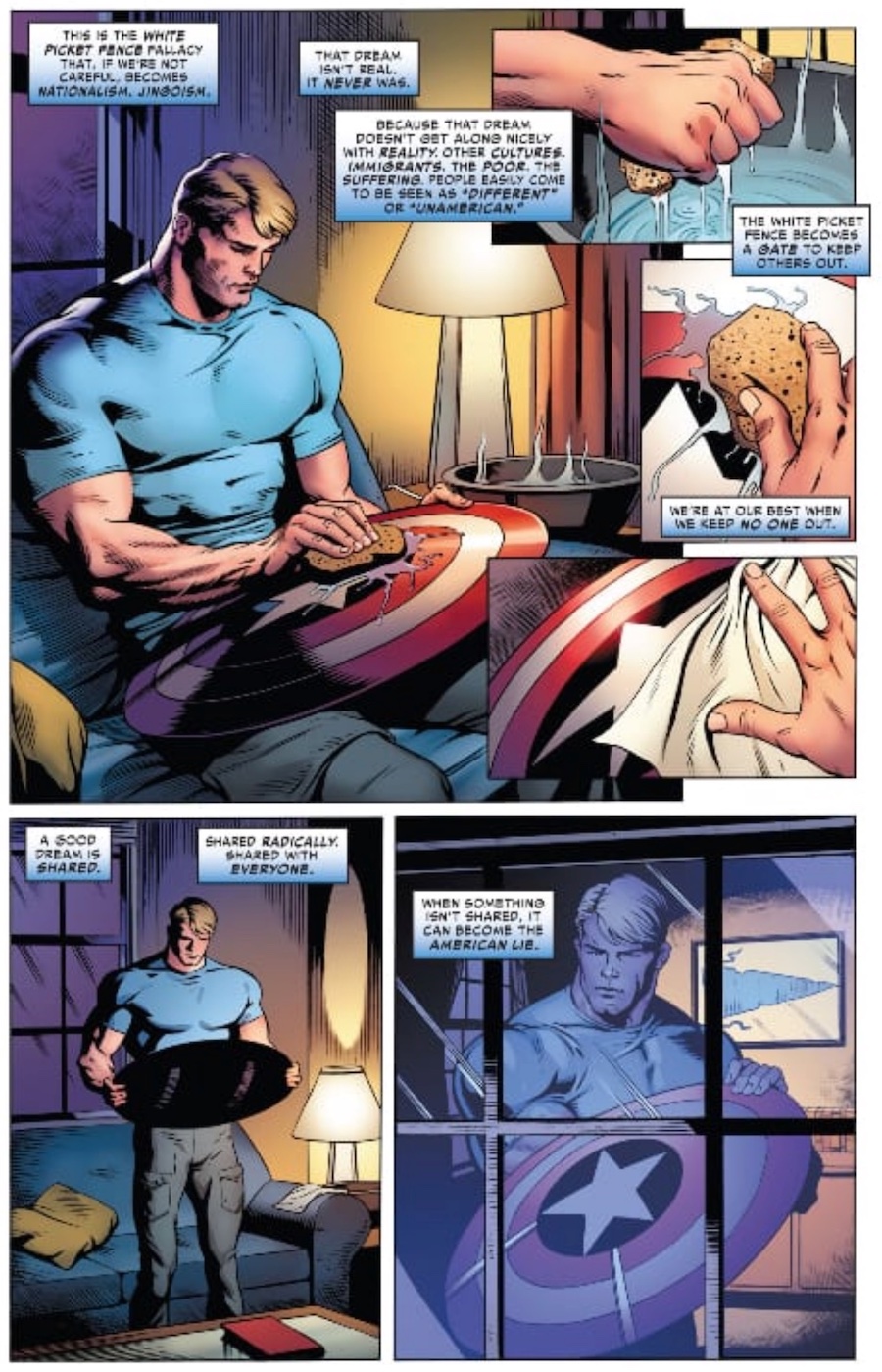
This is the white picket fence fallacy that, if we’re not careful, becomes nationalism. Jingoism.
That dream isn’t real. It never was.
Because that dream doesn’t get along nicely with reality. Other cultures. Immigrants. The poor. The suffering. People easily come to be seen as “different” or “unamerican.”
The white picket fence becomes a gate to keep others out.
A good dream is shared.
Shared radically. Shared with everyone.
When something isn’t shared, it can become the American Lie.
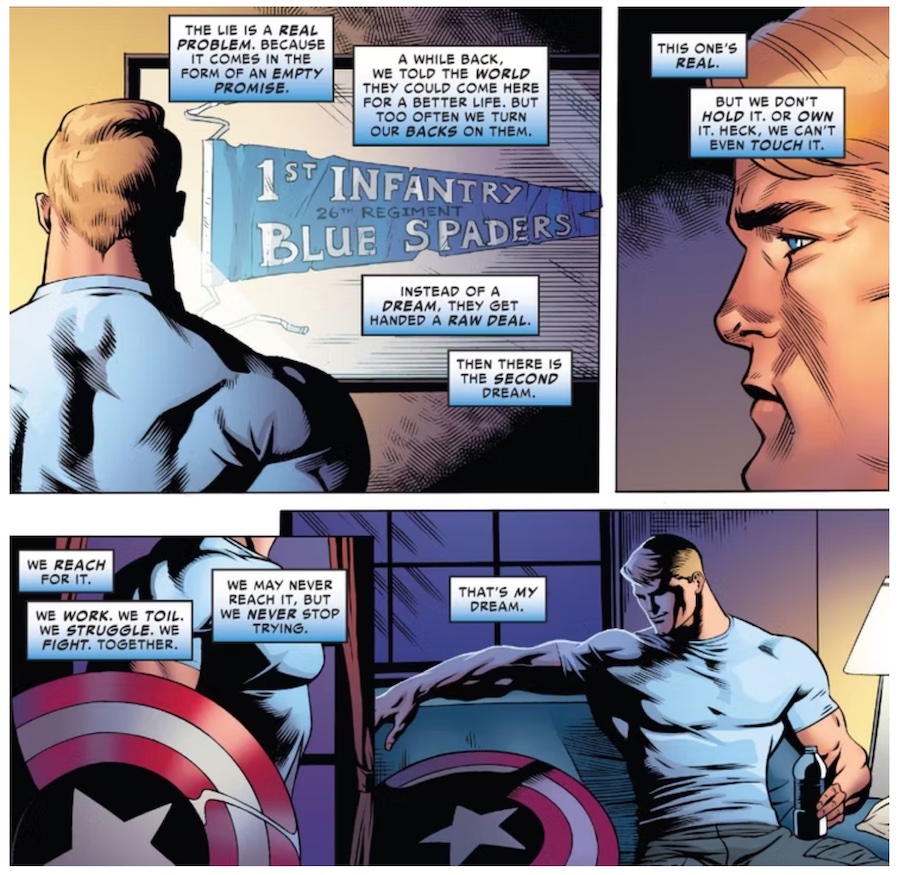
The Lie is a real problem. Because it comes in the form of an empty promise.
A while back, we told the world they could come here for a better life. But too often we turn our backs on them.
Instead of a dream, they get handed a raw deal.
Then there is the second dream.
This one’s real.
But we don’t hold it. Or own it. Heck, we can’t even touch it.
We reach for it.
We work. We toil. We struggle. We fight. Together.
We may never reach it, but we never stop trying.
That’s my dream.
Here’s to the dream. Have a great holiday, everyone!

Also worth checking out: Happy Independence Day, superhero-style!
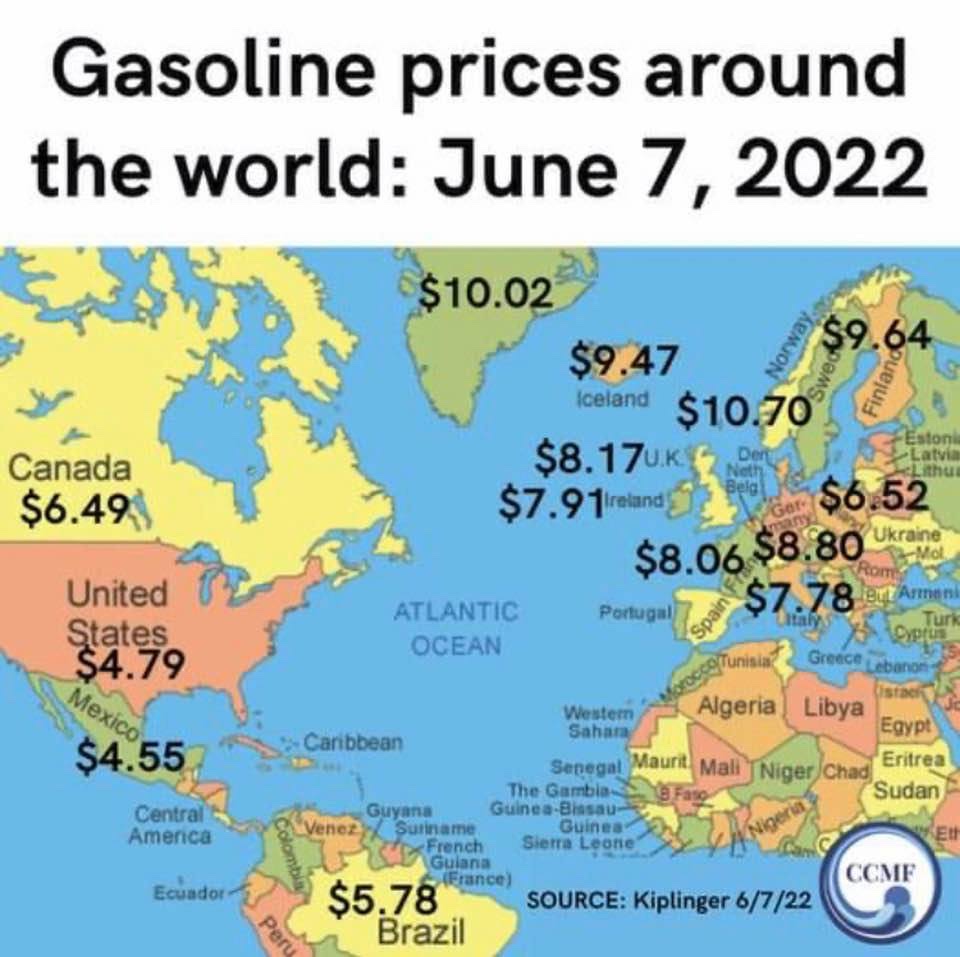
There’s a lot of wailing and gnashing of teeth about gas prices here in the U.S., but it’s not coming from me, because:
In case you’re wondering how I get my errands and shopping done, I do most of them by doing about 10 kilometres each day on the conveyance pictured below:

For the longest time, Canada didn’t have an official flag. Instead, it made unofficial use of its variant of the British Red Ensign, a red flag with the Union flag in the upper left-hand corner — the canton — and a Canadian-themed coat of arms in the rightmost area — the fly. From just after Confederation to 1921, the flag looked like this:

…and then from 1921 to 1957, it looked like this:

…and from 1957 to 1965, it looked like this:

Through the 20th century, there were attempts to get an official flag made, and it took the Great Canadian Flag Debate of 1964 — nearly 100 years after the formation of the country — to finally get a flag that was all our own. There was bitter debate over its design, which was captured nicely in this painting by Rex Woods, who could be described as Canada’s answer to Norman Rockwell:
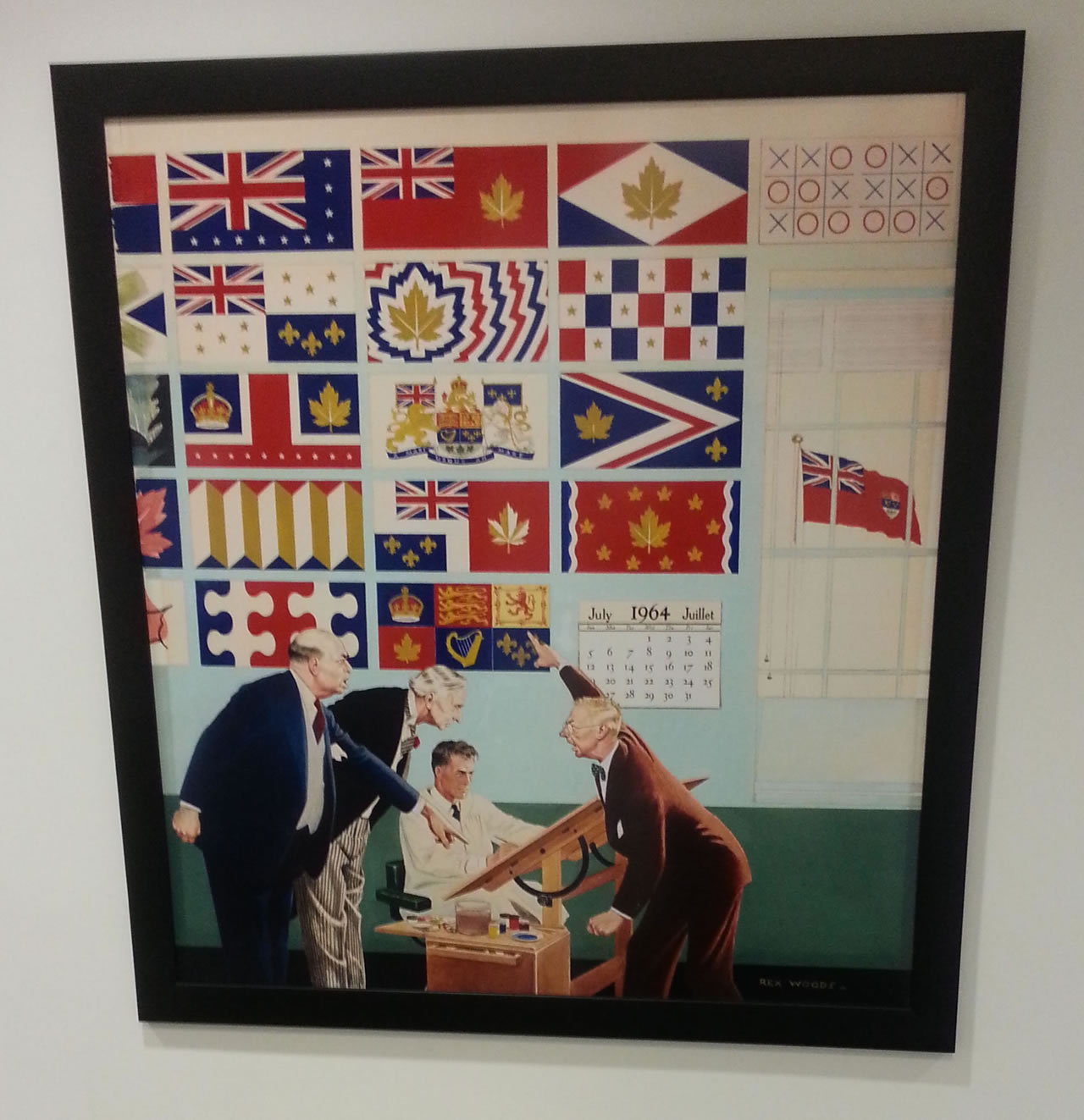
Of the designs featured in the paining, I’m kind of fond of the “psychedelic maple leaf” one:

In the end, we got the simple, sharp, and iconic design that we know and love as the present-day Canadian flag. Happy Canada Day, everyone!

Zen Pencils — “Cartoon quotes from inspirational folks” — take some of the best quotes and statements out there and present them in comic form. They just updated their rendition of Sophie Scholl’s “I choose my own way to burn” statement to fit the current times. It’s worth reading:
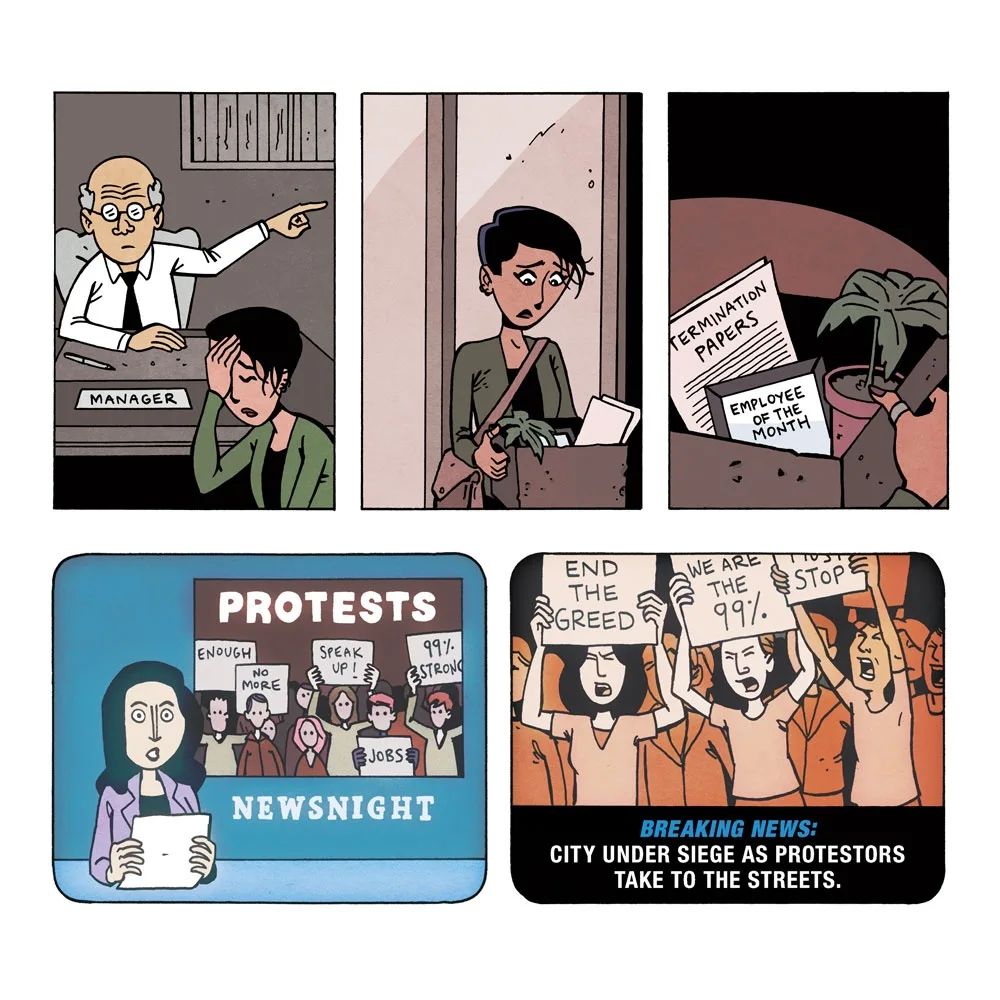

“The real damage is done by those millions who want to ‘survive.’ The honest men who just want to be left in peace. Those who don’t want their little lives disturbed by anything bigger than themselves. Those with no sides and no causes.”

“Those who won’t take measure of their own strength, for fear of antagonizing their own weakness. Those who don’t like to make waves—or enemies. Those for whom freedom, honour, truth, and principles are only literature. Those who live small, mate small, die small.”

“It’s the reductionist approach to life: if you keep it small, you’ll keep it under control. If you don’t make any noise, the bogeyman won’t find you.”


“But it’s all an illusion, because they die too, those people who roll up their spirits into tiny little balls so as to be safe. Safe?! From what? Life is always on the edge of death…” 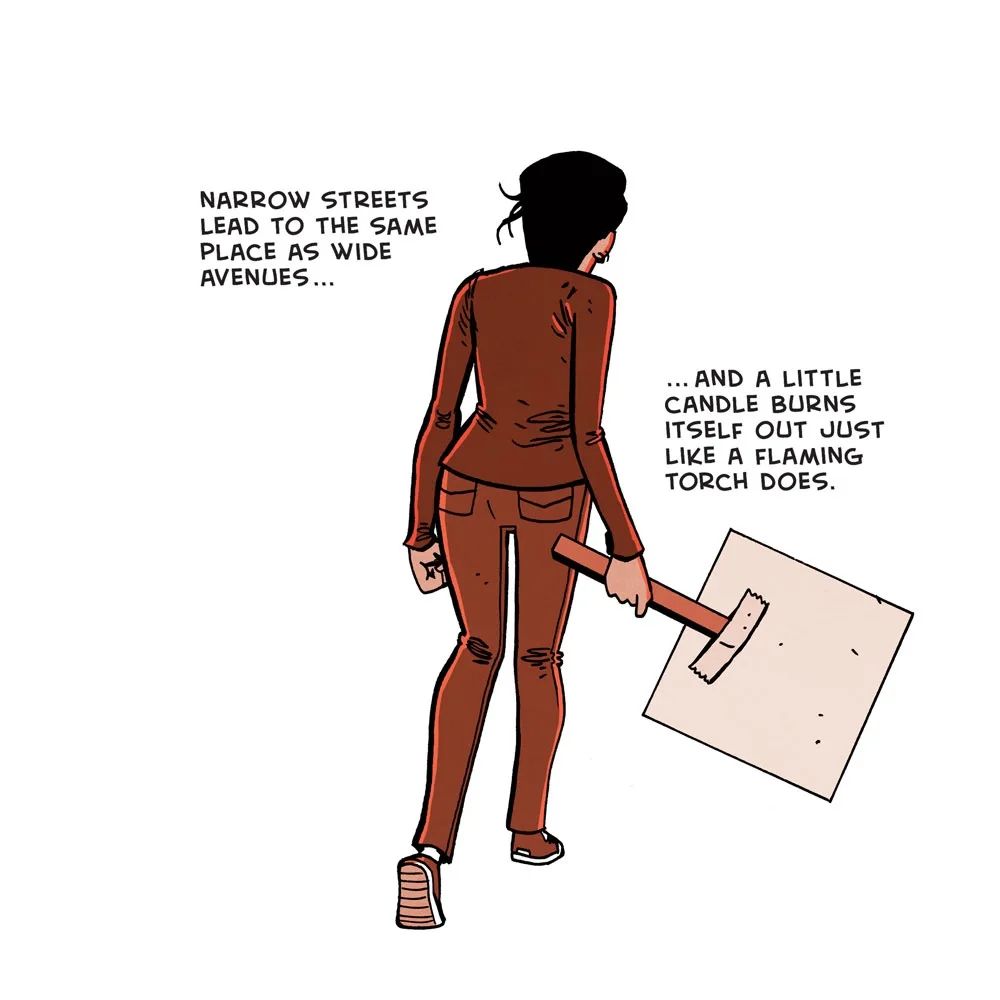
“…narrow streets lead to the same place as wide avenues, and a little candle burns itself out just like a flaming torch does.”
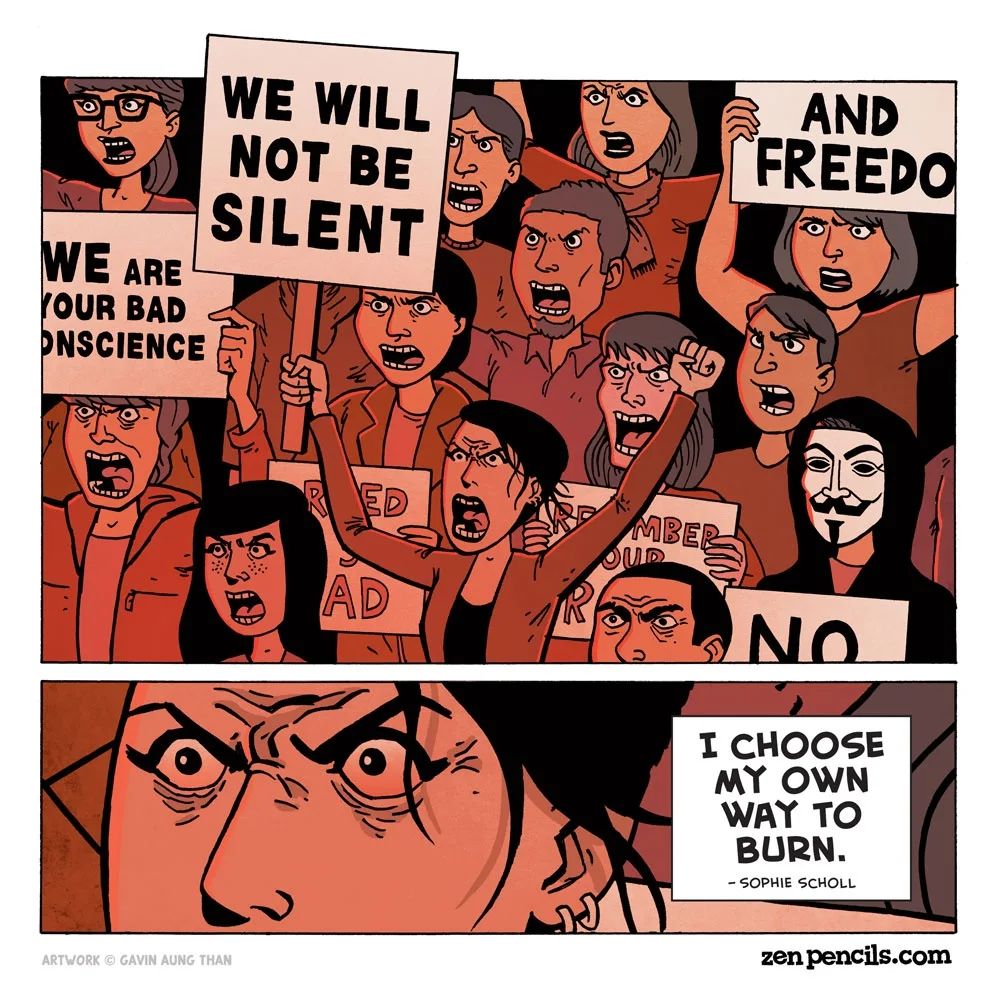
“I choose my own way to burn.”

Sophie Scholl was a resistance fighter against the Nazis in Germany in the early 1940s. She was a key member of Weiße Rose — German for “White Rose” — a resistance group run by students at the University of Munich. Weiße Rose distributed leaflets, painted graffiti, and took part in actions to call out the Nazis and inspired resistance against fascism.
The Nazis executed her at the age of 21 for treason on February 22, 1943.

My response to “I’m just not a political person” is usually either “Bullshit” or “So, you’re just useless then.”
To borrow a paragraph from Sami Fishbein Sage’s essay, Unpacking “I’m Not A Political Person”:
It’s A Privilege To “Not Be Political”
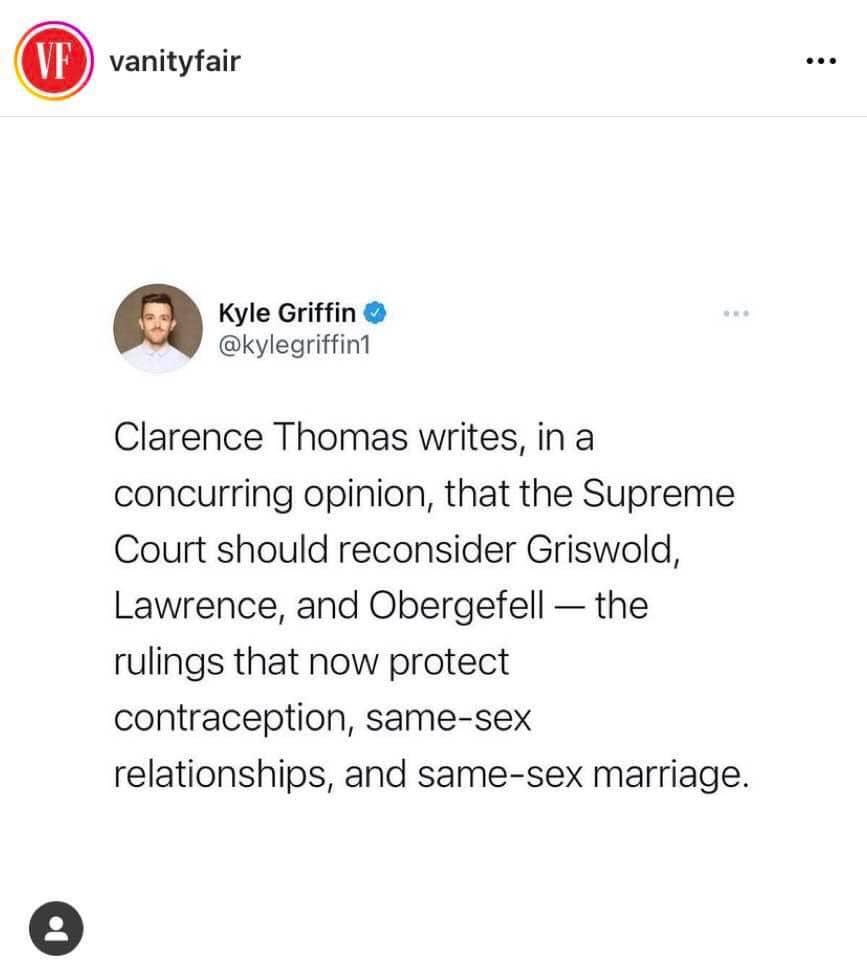
When you say you’re not political, you’re telling on yourself. What you’re saying is that you’ve only been on the receiving end of all these invisible perks the government provides, rather than being on the side that suffers from the lack of them or that is even actively harmed by them. For example, it’s only because of active participation in politics that same-sex marriages are legal. That happened less than five years ago, and it would no doubt be the dream of a conservative Supreme Court to overturn it. Try telling your gay friend, whose marriage status could be in real jeopardy based on election outcomes, that you’re not political and see how they react.